Culture news and discussion on TalkFuse.
Beaches, Beatles and a broken marriage: how Wilhelmina Barns-Graham became a radical art icon
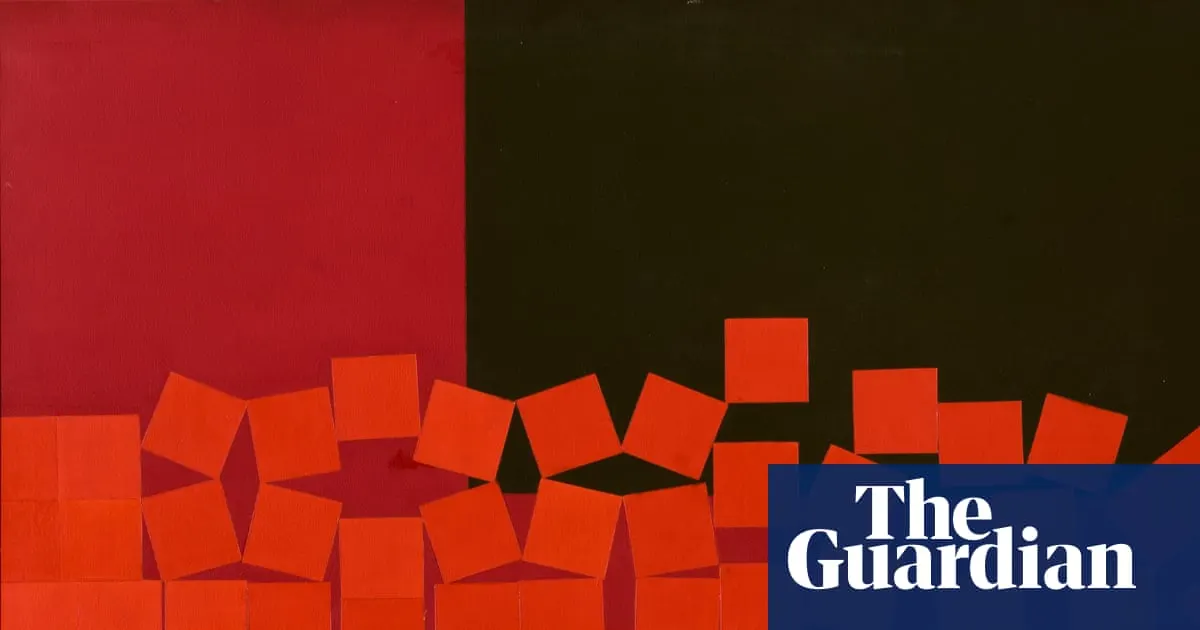
Wilhelmina Barns-Graham’s first full-career retrospective has opened at Tate St Ives, bringing renewed attention to a British modernist who was overshadowed in accounts of the St Ives art scene. Her paintings turned glaciers, shorelines and other subjects into vivid, sometimes unsettling forms, and her career challenged expectations of women artists.
Born in St Andrews in 1912, Barns-Graham moved to St Ives in 1940 and became part of its artistic circle. She continued experimenting with colour, geometry and repetition for eight decades, until her death in 2004 aged 91; a period of recognition in the 1950s faded as her work became harder to categorise and sell.
In short
- Tate St Ives has opened the first retrospective spanning Barns-Graham’s full career.
- She was a key St Ives artist whose work was later sidelined.
- Her eight-decade career ranged from coastal scenes to Swiss glaciers.
Explained simply
Wilhelmina Barns-Graham was a Scottish artist born in 1912 who moved to St Ives, Cornwall, in 1940. The town had become a gathering place for artists exploring modern art, and she worked alongside figures associated with that circle.
Across a career lasting eight decades, Barns-Graham used colour, shape and repeated forms to transform subjects such as glaciers and coastlines. Her work did not fit neatly into familiar categories, and her later lack of recognition reflects the challenges women artists faced in gaining lasting attention.
Art Culture Entertainment Music UK World