Beautiful Sydney green space to be replaced by giant AI data centre and logistics complex – and your internet habits are why it’s needed
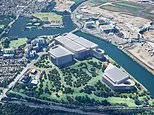
A 70-hectare stretch of vacant green space beside Sydney Airport is set to be redeveloped into a multi-billion-dollar complex anchored by a large AI data centre, as surging demand for the infrastructure behind services such as Google and ChatGPT drives Australia's data storage needs. The former Kogarah Golf Club site at Arncliffe will lose its green space to make way for logistics facilities, commercial offices, retail and hospitality venues, reflecting a wider global trend of internet and AI usage reshaping urban land use.
The project, expected to cost between $2.9 billion and $3.5 billion, will also include an 18-storey hotel and almost 1,600 car parking spaces alongside the data centre itself. The golf club, established in 1928, sold its 18.5-hectare parcel to developer John Boyd Properties in March 2025 for a reported sum exceeding $100 million (figure cut off in source).
- Sydney golf course site to become AI data centre complex
- Redevelopment costs estimated at $2.9-3.5 billion
- Driven by rising internet and AI infrastructure demand
Both sides, in good faith
The strongest fair case each way — we don't pick a winner.
The case for
Advocates for the development argue that surging demand for cloud computing, streaming and AI services makes new data centre capacity unavoidable, and that siting such infrastructure close to Sydney reduces latency and supports jobs, investment and digital services residents already rely on. They contend that growth inevitably requires land-use trade-offs, and that a well-regulated, purpose-built logistics and data hub can be designed with environmental mitigations, while delivering economic benefits that diffuse, low-use green space cannot match. Planning the facility now, they argue, is preferable to reactive, less considered development later as demand keeps rising.
The case against
Opponents who value the green space argue that established natural or recreational land provides irreplaceable community, health and ecological benefits, including biodiversity, local amenity and respite from urban density, and that these are too easily discounted against commercial development pressures. They contend that data centres bring significant energy, water and infrastructure demands, often with limited local employment benefit relative to their footprint, and that residents should have a stronger say before well-loved public spaces are sacrificed to industry growth driven largely by external digital consumption patterns. They favour seeking alternative sites, such as already degraded or industrial land, over converting green space.