Science news and discussion on TalkFuse.
Beavers ‘could boost wildlife and tackle drought’
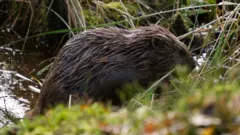
Gloucestershire Wildlife Trust and Forestry England are surveying land in the Severn Vale to assess whether beavers could be reintroduced there, arguing the animals could boost biodiversity and make the landscape more resilient to drought and climate change. Campaigners describe beavers as "ecosystem engineers" whose dam-building creates ponds and wetlands that support a wide range of other species, and the government's environment department (Defra) has backed the principle, saying it could make a "huge difference to nature recovery." Beavers are native to England but vanished from the west of the country roughly 400 years ago after being hunted for food and medicinal use.
Any new reintroduction would need a government licence, and studies and consultations with local landowners and land users are already under way. The plan follows the success of an existing beaver enclosure at Greathough Brook in the Forest of Dean, in place since 2018, where surveys have recorded a marked rise in biodiversity, including sightings of stoats, weasels and pine martens. England has so far had three licensed beaver releases, with around 100 more animals expected to be released this year.
In short
- Gloucestershire groups explore reintroducing beavers to aid nature and drought resilience
- Beavers' dam-building creates wetlands that boost biodiversity, experts say
- Any release needs government licence; about 100 beavers planned nationally this year
Steelman: both sides, in good faith
The strongest fair case each way — we don't pick a winner.
The case for
Reintroducing beavers could restore a native species and bring wider ecological benefits: dams create wetlands and varied habitats, while the Forest of Dean enclosure has seen increased biodiversity. Supporters also argue that these wetlands may help landscapes retain water and cope with drought, making a carefully assessed reintroduction a contribution to nature recovery and climate resilience.
The case against
Even when the potential benefits are substantial, a release could affect landowners and people who use the landscape, so local impacts deserve close scrutiny before a licence is granted. Surveys and consultation matter because the reported gains at one enclosed site may not establish how beavers would affect different places or land uses across the Severn Vale; a cautious approach would weigh those uncertainties against the conservation case.
Explained simply
Beavers are large, plant-eating rodents that build dams across streams. The dams create ponds and wetlands, which can provide food and shelter for other wildlife and help water remain in the landscape during dry periods.
Beavers once lived across England, but hunting led to their disappearance from the west of the country about 400 years ago. Their return is now being considered in some places as a way to support wildlife and help landscapes cope with drought and climate change.
In England, beaver releases require a government licence, and plans involve studying potential sites and consulting people who own or use the land. A beaver enclosure in the Forest of Dean has been in place since 2018, providing one local example for researchers to study.