World news and discussion on TalkFuse.
Before we go deeper in Venezuela, Congress needs answers on Cabello
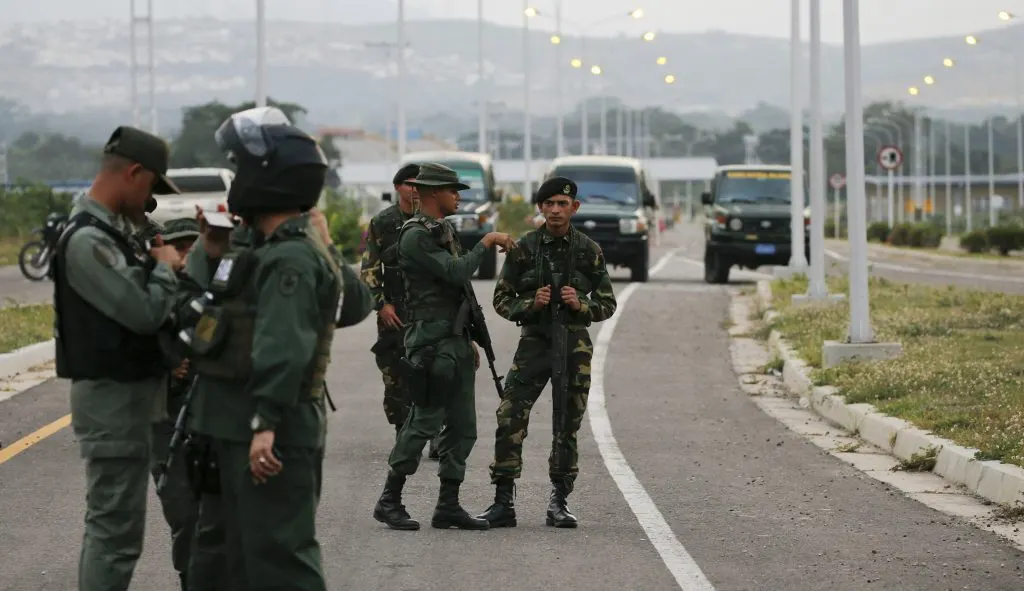
An attack on an ELN guerrilla camp in Venezuela suggests a significant shift in US involvement in the country, after years in which the Colombian group had sanctuary there. The article argues Congress should seek answers about the role of Venezuela’s interior minister, Diosdado Cabello, before the US deepens its engagement.
The strike took place on 30 October in Apure state, near the Colombian border. Four US officials told the New York Times that Washington provided drones and intelligence, while Colombia’s Cambio reported that Colombian police intelligence supplied coordinates to US Southern Command. Cabello sent forensic police to investigate what he called “strange deaths”; the article notes the ELN has operated in Venezuela for two decades and is involved in trafficking and illegal mining.
In short
- A US-assisted strike hit an ELN camp in Venezuela.
- The attack may mark a change in US involvement.
- The article calls for Congress to question Cabello’s role.
Steelman: both sides, in good faith
The strongest fair case each way — we don't pick a winner.
The case for
Congress should seek clarity about Cabello’s possible links to the ELN before the US expands its role in Venezuela. The reported sanctuary, the group’s involvement in trafficking and illegal mining, and Cabello’s response to the strike raise legitimate questions about whether Venezuelan officials have enabled the group; scrutiny could help protect US policy from relying on compromised partners and ensure accountability.
The case against
The reported strike may show that US and Colombian intelligence cooperation can target an armed group operating near the border, and Cabello’s dispatch of forensic police could be a routine response to deaths rather than evidence of complicity. Congress should avoid treating unverified allegations or the ELN’s presence as proof against a senior Venezuelan official, since premature accusations could undermine diplomatic engagement and distract from the immediate security threat.
Americas Government Politics World