Beijing threatens Trump over Iran sanctions and says it will strike back at US if China suffers
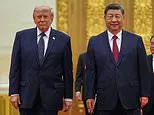
China has warned it will retaliate against the United States after Washington announced sweeping new sanctions targeting countries and entities that continue trading with Iran, including firms based in Hong Kong and mainland China. US Treasury Secretary Scott Bessent unveiled the measures on Monday, describing them as the toughest sanctions in history and warning that nations still doing business with Tehran risk being cut off from the dollar-based financial system. The move is significant because China buys roughly 90 per cent of Iran's oil, making it central to any US effort to isolate the Islamic Republic economically, and raises fears of a fresh escalation in US-China tensions following last year's trade war.
The sanctions target 60 individuals, entities and vessels but stop short of naming specific Chinese financial institutions. Beijing's Foreign Ministry spokesperson Lin Jian said China would "do everything necessary" to protect its interests and accused Washington of pursuing "economic warfare" that would destabilise global markets rather than resolve tensions. Analysts noted China could respond by restricting exports of rare earth minerals, as it did previously to disrupt US manufacturing, while Iran's Economy Minister Ali Madanizadeh said neither China nor Russia had accepted the measures and vowed Tehran was "fully prepared" to retaliate too.
- US imposes toughest-ever Iran sanctions, threatening countries trading with Tehran
- China, which buys 90% of Iran's oil, vows firm retaliation
- Analysts fear China could again restrict rare earth mineral exports
New here? Start with this
The United States has used economic sanctions to pressure Iran over its policies and activities. These measures can restrict trade and access to international banking, including the US dollar system; they may also affect companies in other countries that continue doing business with Iran.
China is a major buyer of Iranian oil, so its trade is central to efforts to limit Iran’s oil income. The key players are the US government, which sets the sanctions, China’s government and businesses, which could be affected, and Iran’s government, which faces the wider pressure.
The dispute matters because measures aimed at Iran can also strain US relations with China, already a major economic rival. China supplies some materials, including rare earth minerals, used in manufacturing, so any disruption to trade could have effects beyond the two countries.
Both sides, in good faith
The strongest fair case each way — we don't pick a winner.
The case for
The US action reflects legitimate national security concerns about Iran's regional conduct and weapons programmes. Restricting Iran's oil revenues—which fund activities the US views as destabilising—is a measured tool for encouraging negotiations without military force. Since China is Iran's largest trading partner, enlisting its cooperation is essential to making any economic pressure effective; allowing major economies to circumvent sanctions would render them meaningless.
The case against
China argues that unilateral US sanctions amount to economic coercion against lawful international trade, and that targeting Chinese firms and entities constitutes economic warfare lacking international consensus. China asserts its sovereign right to trade with Iran and contends that this aggressive approach escalates tensions rather than resolving underlying disputes. Economic isolation historically entrenches positions, and such measures risk pushing Iran, China and Russia into closer alignment whilst destabilising global markets, making them counterproductive to genuine diplomatic resolution.