World news and discussion on TalkFuse.
Beijing’s hidden chokehold could derail Trump’s $50B plan to fix America’s aging skies
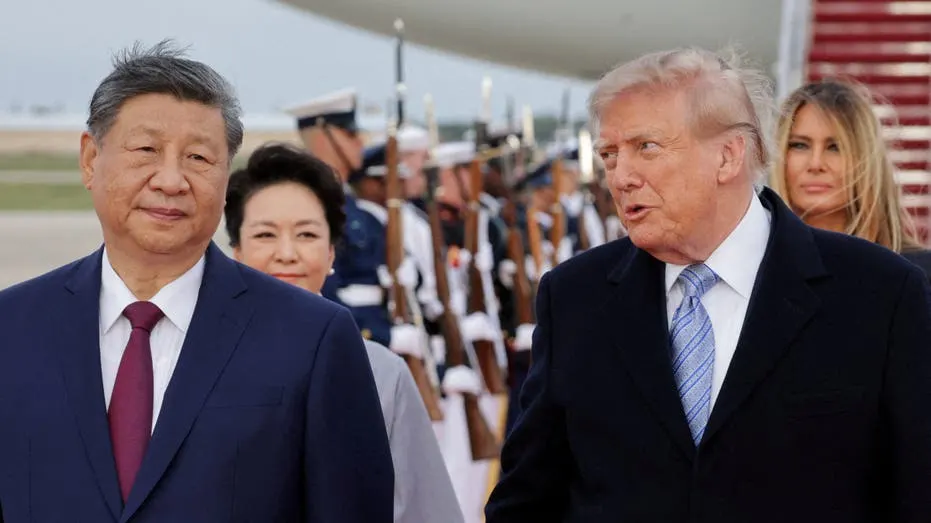
A nationwide ground stop exposed weaknesses in the United States’ ageing air traffic control system, prompting the Trump administration to seek major funding for an overhaul. A critical minerals expert warned that reliance on China for rare earth processing could slow or obstruct the supply of components needed to modernise the network.
Transportation Secretary Sean Duffy has requested $50 billion from Congress, including funding to replace old copper wiring and improve the system’s telecom architecture. The article says radar, satellite equipment, motors and navigation systems depend on rare earths and specialised magnets, while the US has limited domestic processing capacity after much of the industry moved overseas. US demand for neodymium magnets is about 50,000 tons, and the issue is expected to feature in talks between Donald Trump and Chinese President Xi Jinping.
In short
- A ground stop highlighted problems in America’s ageing air traffic system.
- China’s rare earth dominance could constrain the proposed overhaul.
- The administration is seeking $50 billion for modernisation.
Steelman: both sides, in good faith
The strongest fair case each way — we don't pick a winner.
The case for
The ground stop exposed risks in an ageing air traffic control network, so substantial investment could improve reliability and safety. If modernisation depends on rare earths and specialised magnets that China largely processes, securing or diversifying those supplies is a reasonable part of planning; dependence could create delays or strategic vulnerability.
The case against
The warning about a Chinese chokehold may overstate what is known: the report describes potential supply risks, not evidence that China has blocked or would block components for the overhaul. A $50 billion programme should be assessed on its costs, design and likely safety benefits, while procurement planning could address mineral dependence without treating it as a reason to delay investment.