Culture news and discussion on TalkFuse.
Madness’s 1981 film gets a revealing 4K restoration
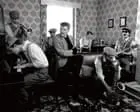
Madness’s 1981 film *Take It or Leave It* dramatised the band’s working-class beginnings, combining comic “nuttiness” with a gritty portrait of 1970s London. Though largely forgotten after release, a new 4K restoration could establish it as an important and unusually honest music film.
The film was created by Stiff Records boss Dave Robinson, who financed much of its £20,000-per-member budget and used fast, improvised guerrilla techniques. Madness filmed without permission, recreated early performances and deliberately gave some soundtrack recordings a rough quality, reflecting the group’s difficult origins and teenage lives.
In short
- Madness’s overlooked origin film is being rediscovered.
- Its guerrilla production mirrored the band’s rebellious beginnings.
- A 4K restoration may establish its lasting cultural importance.
Steelman: both sides, in good faith
The strongest fair case each way — we don't pick a winner.
The case for
The restoration could bring renewed attention to a music film whose improvised methods and rough-edged sound preserve the band’s working-class beginnings and the realities of 1970s London. Its mix of comedy and grit may offer an unusually candid account of how Madness emerged, making it a valuable cultural record as well as an entertaining film.
The case against
A restoration cannot by itself establish the film as important: its limited impact after release may reflect weaknesses in the film as well as neglect. Its unauthorised, improvised production and deliberately rough soundtrack may feel more like period curiosities than especially revealing filmmaking, and the story’s claims about its honesty and significance remain open to judgement.
Explained simply
Madness are a British band formed in north London in the late 1970s, known for combining ska rhythms with pop and comic performance. The group’s early years unfolded amid economic hardship and a lively local music scene.
Take It or Leave It is a film about those beginnings, made with help from Dave Robinson, the head of their record label, Stiff Records. Its modest budget and improvised filming methods shaped a story that mixes humour with depictions of working-class life and the band’s teenage years.
Music films often present artists in a polished way, while this one aimed to show a rougher path to success. Its blend of comedy, recreated performances and social detail offers a record of the band’s early world and the London scene around them.
Culture Entertainment Film Music
Read the full article at the source →
Originally published by The Guardian as “‘Being in Madness kept some of them out of jail’: how the baggy-trousered nutty boys made a guerrilla cinema classic”.