Politics news and discussion on TalkFuse.
Benjamin Netanyahu opposition invited to form Government with hope to end Israel election deadlock
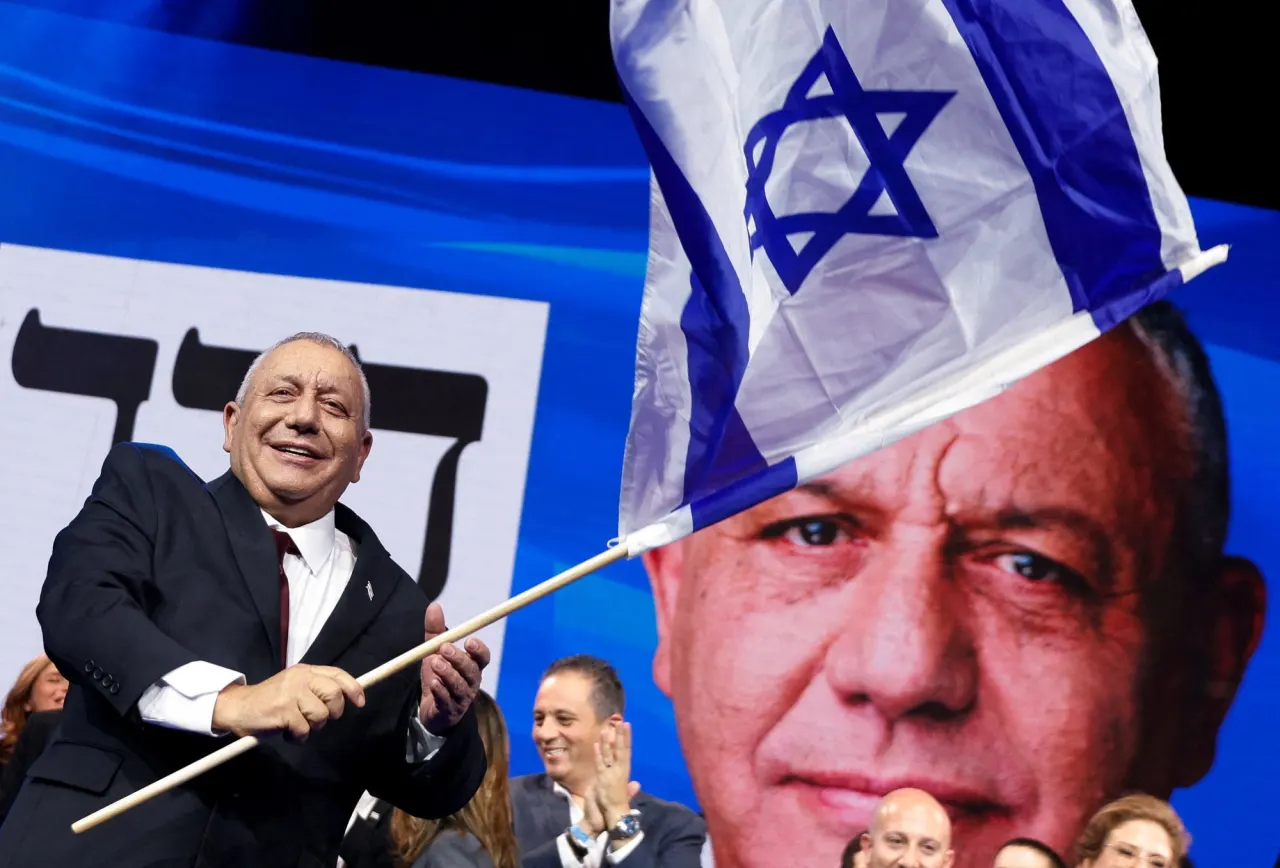
Israel’s president, Isaac Herzog, has invited opposition leader Gadi Eisenkot to form a government, opening a possible route out of a political deadlock. Although Benjamin Netanyahu’s alliance won more seats than Eisenkot’s bloc, neither has a majority, so Eisenkot must negotiate support from other parties.
Eisenkot’s Yashar party won 21 seats, and his wider bloc has 48; Netanyahu’s Likud won 27 and his allies 26, giving their alliance 53. Israel’s parliament has 120 seats, while Arab parties hold 19 seats that could prove pivotal. Eisenkot has 28 days, with a possible two-week extension, to assemble a coalition; Netanyahu has warned against a government relying on parties he describes as terrorist supporters.
In short
- Herzog has asked opposition leader Gadi Eisenkot to form a government.
- Neither bloc has a majority in the 120-seat Knesset.
- Eisenkot has 28 days to negotiate a coalition.
Steelman: both sides, in good faith
The strongest fair case each way — we don't pick a winner.
The case for
Supporters of asking Eisenkot to form a government can argue that Netanyahu’s alliance has only 53 of 120 seats and has not shown it can command a majority, while Eisenkot’s bloc may be able to negotiate one. Giving him the mandate offers a constitutional route to test that possibility and could end a prolonged deadlock through a coalition supported by a broader range of parties.
The case against
Opponents can argue that Netanyahu’s alliance won more seats than Eisenkot’s bloc, so bypassing it risks weakening the link between election results and the choice of government. They may also see a coalition dependent on Arab parties as unstable or incompatible with their security priorities, particularly given Netanyahu’s concerns about those parties’ support.
Elections Government Middle East Politics World