Bernie Sanders claims some Democrats may want their own Senate nominee to lose
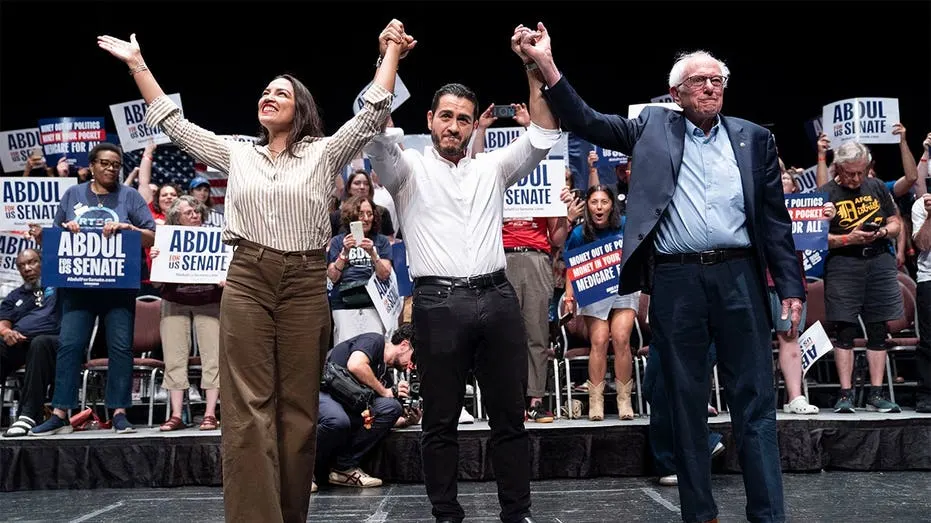
Senator Bernie Sanders has accused senior Democratic Party figures and donors of being lukewarm about, or even wanting to see the defeat of, Abdul El-Sayed, the party's progressive Senate nominee in Michigan. Speaking to "Politico Playbook", Sanders argued that some establishment Democrats view El-Sayed and similar left-wing candidates as a threat both to wealthy donor interests and to the party's traditional support for Israel's government under Benjamin Netanyahu. His remarks come as El-Sayed faces continued scrutiny over his links to controversial streamer Hasan Piker, whose comments about American Jews and Israel drew condemnation from prominent Democrats including Hakeem Jeffries and Cory Booker.
Sanders described the resistance to El-Sayed as coming from "a small number of people… at the head of the Democratic Party" and the donor class, while dismissing Piker's remarks as the kind of "dumb things" any podcaster might say. Democratic strategist Yemisi Egbewole rejected Sanders' framing, saying El-Sayed had apologised over comments regarding an attack on Temple Israel and had distanced himself from Piker, adding that his focus should be on uniting Democrats after narrowly beating Rep. Haley Stevens in the primary. The Republican National Committee also weighed in sharply against El-Sayed, while the candidate himself repeatedly declined to dwell on the Piker controversy, insisting his campaign was focused on affordability and healthcare in Michigan.
In short
- Sanders says some top Democrats want their own Senate nominee to lose
- Claims donor class and Israel-policy allies are lukewarm on Abdul El-Sayed
- Row overshadowed by El-Sayed's ties to controversial streamer Hasan Piker
Steelman: both sides, in good faith
The strongest fair case each way — we don't pick a winner.
The case for
Sanders’ argument is that some party leaders and donors may see El-Sayed’s progressive politics as challenging both their economic interests and established Democratic positions on Israel, and could therefore be reluctant to support his candidacy. From this perspective, the scrutiny of his associations risks serving as a proxy for resistance to a nominee who won a competitive primary and is campaigning on issues such as affordability and healthcare.
The case against
A strong case against Sanders’ framing is that criticism of El-Sayed may reflect genuine concern about his judgement and the political consequences of his associations and past comments, rather than hostility to progressive politics or a wish for him to lose. Having won the primary, he also has a responsibility to reassure fellow Democrats and build a broad coalition, including by addressing concerns directly and keeping the campaign focused on voters’ priorities.
Explained simply
Michigan is a state in the US Midwest, and its Senate seat is contested in elections that help determine which party controls the upper chamber of Congress. The Democratic nominee is Abdul El-Sayed, a progressive politician who narrowly won his party’s primary against Representative Haley Stevens.
The Democratic Party includes politicians and supporters with different views on economic policy and US support for Israel. Bernie Sanders, an independent senator who often campaigns alongside Democrats, argues that party leaders and wealthy donors can be wary of progressive candidates; other Democrats dispute his account and say El-Sayed needs to bring the party together.
El-Sayed has also faced questions about comments linked to a controversy involving streamer Hasan Piker and an attack on Temple Israel, a synagogue in Michigan. The dispute matters because it could affect how voters view the nominee and how Democrats approach a competitive Senate race.
Art Culture Government Politics World