World news and discussion on TalkFuse.
Bernie Sanders Says America Has the Highest Child Poverty Rate of Any Major Country. Here’s What He’s Leaving Out.
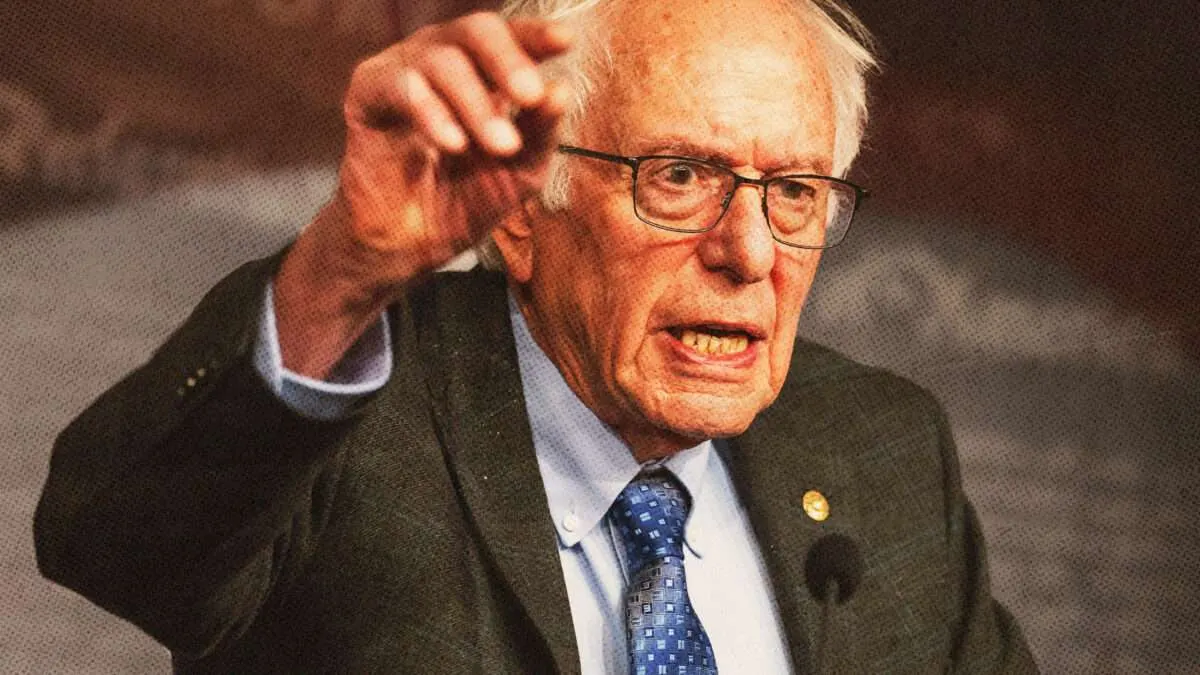
Bernie Sanders has repeatedly said the United States has the highest child poverty rate of any major country, using the claim to argue for a larger role for government. The article says this overstates the international comparison: the latest OECD figures put the US fourth-highest among developed countries, while the ranking depends on how poverty is measured.
The OECD’s relative measure counts children whose household income is below half their own country’s median, so it does not directly compare living standards across countries. A 2019 study using a shared, purchasing-power-adjusted poverty threshold found US child poverty at 12.5 per cent, compared with 13.5 per cent in the UK; a 2022 study also found higher rates in Britain, France, Israel and Italy than in the US. The article argues that America’s greater wealth helps explain why its relative poverty rate can look worse than its absolute rate.
In short
- Sanders’s “highest” claim does not match the OECD ranking.
- Relative poverty compares incomes with each country’s own median.
- On a shared threshold, studies found higher rates in several countries.
Steelman: both sides, in good faith
The strongest fair case each way — we don't pick a winner.
The case for
Sanders’s comparison highlights a real concern: by the OECD’s relative measure, a substantial share of American children live in households far below their country’s median income. Relative poverty captures exclusion from the living standards and opportunities typical in a society, and can support the case for public action even when cross-country rankings vary with the measure used.
The case against
A claim that the US has the highest child poverty rate among major countries is too broad when the ranking changes under different definitions. The cited studies using a shared, purchasing-power-adjusted threshold found higher child poverty in several other countries, while the OECD’s relative measure compares children with their own country’s median rather than directly comparing material living standards across countries.
Explained simply
Child poverty can be measured in different ways. A relative measure counts children in households with incomes below a set share of the median income in their own country; it shows how far incomes fall behind local norms, rather than comparing what families can afford across countries.
Bernie Sanders is a US senator who has argued for a larger government role in reducing poverty. The OECD, a group of mainly higher-income countries, publishes international poverty comparisons, but rankings can change with the measure used: some studies compare incomes against a shared threshold adjusted for prices.
The distinction matters because the United States is wealthier on average than many countries, which can affect its relative poverty rate. Different measures therefore offer different ways to understand children’s living standards and how countries compare.