Progressive-moderate rift deepens as Sanders defends Hasan Piker
Developed over time first seen 2 months ago
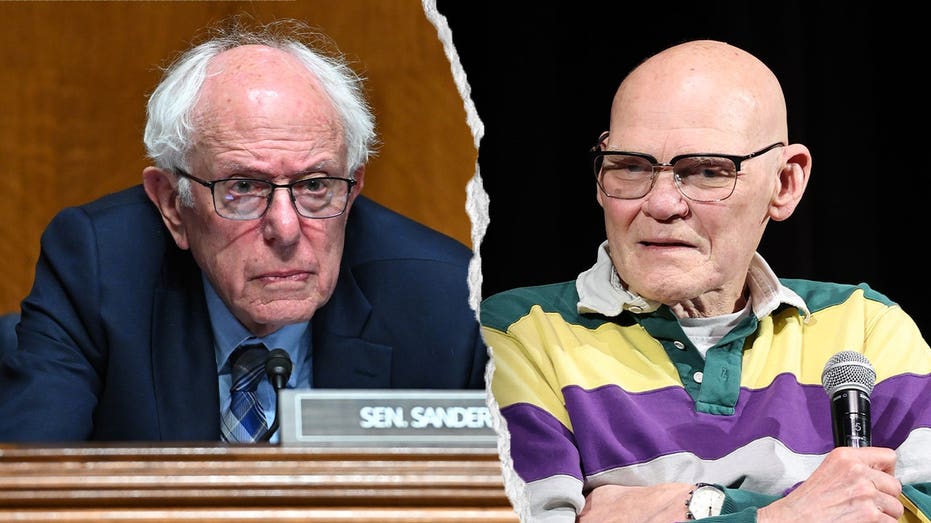
Senator Bernie Sanders publicly backed left-wing streamer Hasan Piker's place in the Democratic Party, telling strategist James Carville he could "start his own party" if he disagreed, in a Tuesday interview that laid bare a widening rift between the party's progressive and moderate wings. Carville and other centrists have warned that embracing further-left figures risks alienating mainstream voters, while Sanders and his allies have rejected calls to distance the party from such voices, leaving the dispute unresolved and the divide over the party's ideological direction still open.
The disagreement broadened into a public spat, with Piker and Michigan gubernatorial candidate Abdul El-Sayed mocking Carville's threat to leave the party, reportedly joking about "sweetening the deal" to speed his exit. Piker separately drew condemnation from human rights groups over comments defending Hamas's "right to resist militarily", and was pressed on the remarks during a CNN appearance, adding to the controversy already surrounding his role as a prominent progressive voice within the party.
- Sanders defends Hasan Piker, tells Carville to "start his own party"
- Row exposes deep Democratic split between progressives and moderates
- Piker also faces criticism over Hamas comments and CNN interview
New here? Start with this
Left-wing YouTube and Twitch personality Hasan Piker has become the flashpoint for a public argument between two wings of America's Democratic Party. On one side is Senator Bernie Sanders, the veteran progressive independent who has long pushed the party leftward and who has defended Piker against criticism. On the other are centrist figures such as James Carville, a longtime Democratic strategist best known for helping run Bill Clinton's presidential campaigns, who worries that association with outspoken far-left voices could put off mainstream voters.
Piker himself is a popular political streamer known for combative, provocative commentary, and has drawn separate criticism, including from human rights organisations, for remarks about the Israel-Hamas conflict. He is not a politician or party official, but his prominence among young left-leaning audiences has made him a symbol in the argument over how the Democratic Party should position itself. Also drawn into the row is Abdul El-Sayed, a progressive candidate running for governor of Michigan.
The underlying dispute is not really about Piker as an individual, but about a long-running tension inside the Democratic Party over strategy and identity: whether it should move further left to energise its progressive base, or moderate its image to win over centrist and swing voters. This debate has become more pointed following recent election setbacks, and it matters because how the party resolves it could shape its candidates, messaging and prospects in upcoming elections.
Both sides, in good faith
The strongest fair case each way — we don't pick a winner.
The case for
Sanders and his allies would argue that a broad, ideologically diverse coalition is a strength rather than a liability, and that demanding centrists disown every provocative voice on the left risks alienating the young, energised activists the party needs to win elections. They see repeated calls to distance the party from figures like Piker as a form of gatekeeping that privileges donor-class comfort over grassroots enthusiasm, and argue that robust internal debate, even when heated, is healthier than enforced conformity. On this view, telling critics to "start their own party" is less a threat than an assertion that the Democratic tent should remain wide enough to include unapologetic progressive voices.
The case against
Carville and other moderates would argue that political parties win elections by appealing to persuadable swing voters, and that tolerating rhetoric seen as excusing violence, such as defending Hamas's "right to resist militarily", hands opponents easy ammunition and alienates exactly the middle-ground voters Democrats need. They see Sanders's defence of Piker not as principled pluralism but as a failure of leadership to draw sensible lines around who represents the party in public, warning that association with fringe rhetoric can define a party's image regardless of its formal platform. On this view, insisting on some boundaries is not betrayal of progressive values but basic electoral discipline, and dismissing that concern as extremism-baiting risks repeating past losses driven by overreach.
More coverage
Art Celebrity Culture Entertainment World
Read the full article at the source →
Originally published by Fox News as “Bernie Sanders tells James Carville to start his own party as moderate Dems warn against ’embracing extremism’”.