Bessent says K-shaped economy is ‘over’
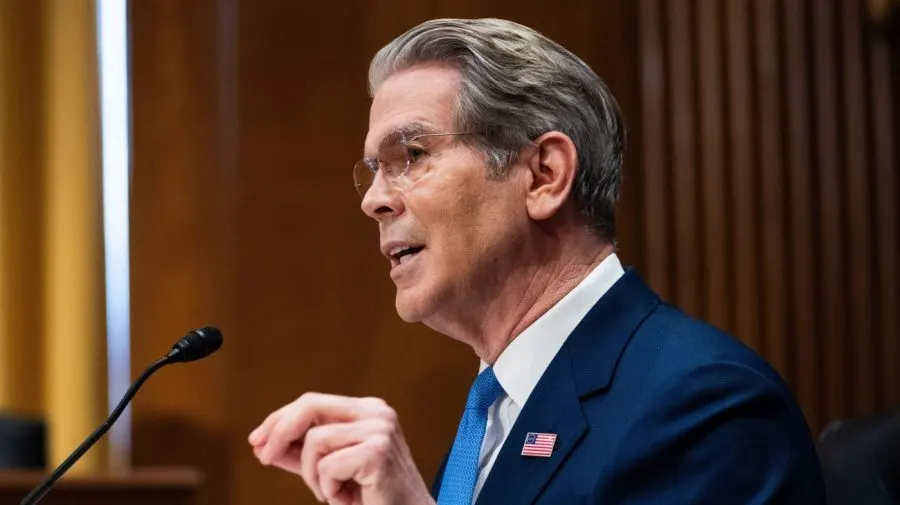
US Treasury Secretary Scott Bessent said the “K-shaped” economy is over, arguing that the divergent fortunes of wealthy and lower-income Americans are beginning to converge. The claim matters because the term has become a widely used description of an economy in which asset owners and higher earners benefit while many households face persistent pressure from everyday costs.
Bessent said the economy was becoming “C-shaped”, citing faster wage growth among the lowest-paid workers than among the highest earners. Critics and recent reporting have pointed to continuing disparities: the top 20 per cent of households accounted for nearly 60 per cent of consumer spending in the first quarter, while lower-income Americans remain especially exposed to costs such as food, fuel and rent.
- Bessent says the K-shaped economy has ended.
- He cites stronger wage growth for low earners.
- Critics say inequality and cost pressures persist.
New here? Start with this
The K-shaped economy is a way of describing a recovery in which different groups fare very differently. The “upper arm” refers to people whose incomes or investments rise, while the “lower arm” describes those who continue to face financial pressure.
Scott Bessent is the US Treasury Secretary, responsible for advising the government on economic and financial policy. Wages, household spending and the cost of essentials such as food, fuel and rent can all help show how economic gains are shared.
The debate matters because consumer spending is a major part of the US economy, and households have very different ability to keep spending when costs rise. Comparing wage growth and spending across income groups can help assess whether their fortunes are becoming more alike.
Both sides, in good faith
The strongest fair case each way — we don't pick a winner.
The case for
The strongest case for Bessent's claim rests on tangible wage data showing lower-paid workers' pay growing faster than higher earners in recent periods, which genuinely represents improved purchasing power for vulnerable households. If this wage convergence continues as a structural trend rather than cyclical blip, it would indicate real progress in living standards for those most exposed to cost-of-living pressures, and focusing on this encouraging metric reflects legitimate optimism about economic fundamentals improving for working people.
The case against
The sceptical position emphasises that a single wage metric obscures persistent structural inequality: the top fifth of households still captures nearly 60 per cent of consumer spending, and lower-income Americans face disproportionate vulnerability to essential costs like food, fuel and housing. Declaring the K-shaped economy 'over' based on wage-growth rates alone ignores wealth concentration and actual living standards, potentially understating the ongoing challenges facing lower-income households who remain economically fragile despite nominally faster wage growth.