Bessent ‘to-do’ list shows proposal for US to buy $5bn-$10bn of Japanese yen
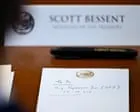
US Treasury Secretary Scott Bessent was photographed with a note suggesting the US could buy $5bn-$10bn in Japanese yen, raising questions about possible intervention to support the currency. The disclosure matters because US action in currency markets is rare and could signal coordinated concern over the yen’s sharp recent decline.
The note was visible during a Camp David cabinet meeting on Friday, while reports said the Treasury had alerted banks it might intervene and the New York Fed later sold euros for yen on its behalf. The yen had fallen to its weakest level since 1986, but strengthened after Japanese action and again later in US trading, with the dollar falling from roughly ¥158.9 to ¥157.6; the US last supported the yen in 2011 alongside G7 partners.
In short
- Bessent’s note indicated possible US purchases of up to $10bn in yen.
- The yen had recently reached its weakest level since 1986.
- US support for the yen would be its first since 2011.
Steelman: both sides, in good faith
The strongest fair case each way — we don't pick a winner.
The case for
Advocates for currency intervention argue that when a currency experiences extreme depreciation—the yen reaching its weakest level since 1986—coordinated international action represents responsible stewardship of economic stability. They point to successful precedent from 2011 and the apparent effectiveness of this intervention in strengthening the yen, contending that G7 partners acting together on a genuine market dislocation protects both Japan's economy and broader regional stability.
The case against
Critics of intervention contend that currency markets should function according to free market principles, allowing exchange rates to reflect underlying economic conditions without government interference. They argue that such interventions waste taxpayer resources, distort price signals that guide investment and trade decisions, and establish precedents for increasingly frequent interventions that ultimately prove ineffective in addressing the deeper economic causes of currency movements.
Explained simply
The yen is Japan’s currency, and its value against the US dollar affects the cost of imports, exports and overseas travel. A weaker yen makes foreign goods more expensive for people in Japan, while it can make Japanese exports cheaper for overseas buyers.
The US Treasury, led by Scott Bessent, handles US government policy on money and financial markets. Japan’s government and central bank can also act to influence the yen; when governments buy a currency, they can increase demand for it and try to support its value.
US intervention in currency markets is unusual, and past support for the yen has involved other major economies. Possible US involvement matters because it could indicate concern shared across countries about sharp movements in the yen and their effects on financial markets.