‘Best day of his career!’: Met Police officer’s lucky day as he is allowed to drive limited edition Ferrari Monza SP2 – which sell for £3.7MILLION – after it was seized by cops
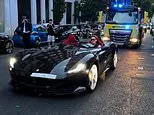
A Metropolitan Police officer had what he called the "best day of his career" after being allowed to drive a limited-edition Ferrari Monza SP2, a model that typically sells for around £3.7 million, following its seizure by police. The vehicle's rarity and value made the opportunity a striking one for the officer, turning a routine seizure into a memorable personal highlight.
The Ferrari Monza SP2 is one of Ferrari's ultra-exclusive "Icona" series cars, produced in extremely limited numbers and prized by collectors for its bespoke design and performance. Full details of why the car was seized and the exact circumstances of the officer's drive were not specified in the available report.
- Met Police officer drove a seized £3.7 million Ferrari Monza SP2.
- He described it as the best day of his career.
- The Monza SP2 is an ultra-rare, limited-edition Ferrari model.
Both sides, in good faith
The strongest fair case each way — we don't pick a winner.
The case for
Supporters see nothing untoward in an officer enjoying a supervised drive of a seized vehicle, arguing that high-value cars often need to be started and driven periodically to prevent mechanical deterioration while they await court proceedings or disposal, and that giving an officer this rare opportunity is a low-cost, harmless morale boost that costs the public nothing. They would add that transparency about the episode, rather than concealment, shows the force has nothing to hide and that such moments can also serve a public-relations purpose, humanising police work and demonstrating professionalism around handling valuable seized property.
The case against
Critics would argue that police officers driving a seized £3.7 million Ferrari for personal enjoyment risks creating a poor impression of impropriety, regardless of the practical justification, especially given long-standing public sensitivity about civil asset forfeiture and how confiscated property is handled. They would contend that seized assets should be treated strictly as evidence or property in custody, with any necessary maintenance carried out by professional handlers under clear protocols, and that framing the episode as the officer's 'best day' trivialises the seriousness of an ongoing legal process and could undermine public confidence in the impartial stewardship of seized goods.