‘Best thing is keep your mouth shut’ – Mourinho on Mbappe-Mao row
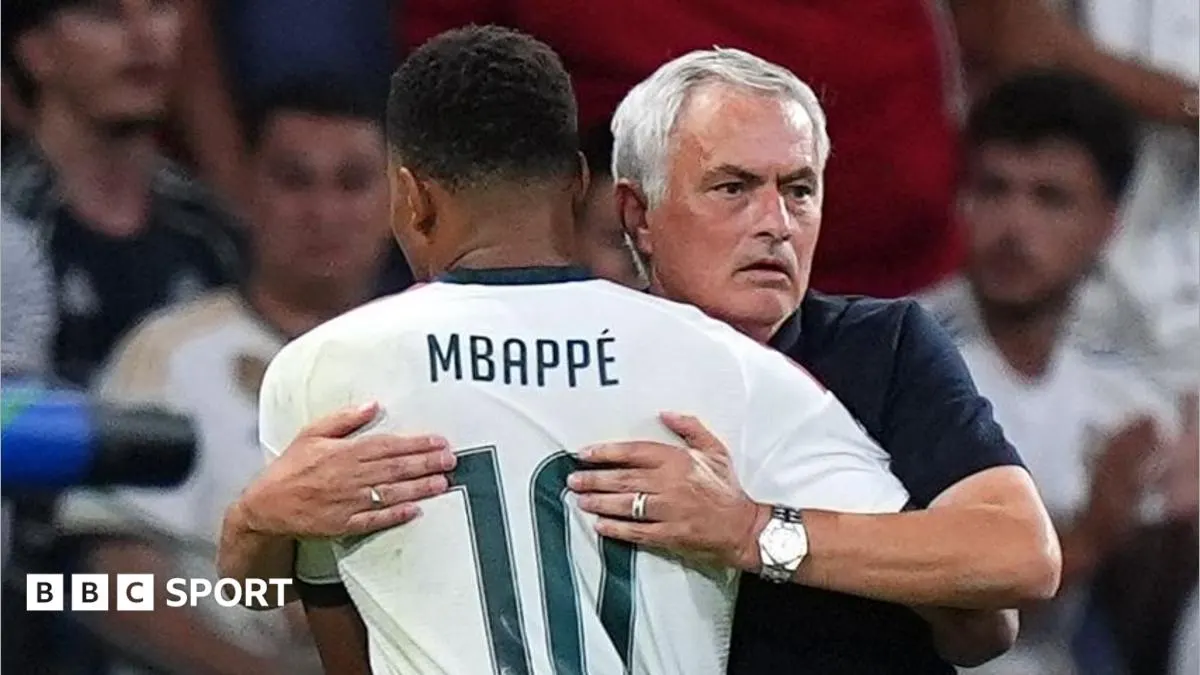
Jose Mourinho said Kylian Mbappe acted responsibly by apologising for comments about a meme depicting him as Mao Zedong, after the remarks drew angry reactions. The Real Madrid manager described the episode as a reminder that public comments can cause offence, while praising the forward and club for responding quickly.
Mbappe had said the meme that made him laugh most showed his face on an image resembling the Chinese leader, who died in 1976. A clip of the exchange prompted a backlash in China and elsewhere, and several Chinese brands dropped him. Mbappe later said he understood his remarks had hurt people in China and Chinese communities around the world.
In short
- Mourinho praised Mbappe’s prompt apology.
- The comments sparked a backlash in China.
- Several Chinese brands dropped the forward.
Steelman: both sides, in good faith
The strongest fair case each way — we don't pick a winner.
The case for
Mourinho’s view is that public figures should recognise when their words cause offence and respond promptly; Mbappe’s apology showed accountability and respect for people hurt by the remarks. Given the image’s political associations and the reach of his comments, acknowledging their impact can help repair trust.
The case against
A reasonable concern is that a quick apology under public and commercial pressure may discourage candid humour or turn an ambiguous reaction to a meme into a test of political conformity. People can distinguish between finding an image amusing and endorsing its subject, so the backlash and loss of sponsorship may seem disproportionate if that distinction is overlooked.
Explained simply
Kylian Mbappé is a French footballer who plays for Real Madrid, managed by José Mourinho. Mao Zedong led China from the founding of the People’s Republic in 1949 until his death in 1976 and remains a significant, sensitive figure in Chinese history.
The episode concerns a public comment about a meme linking Mbappé’s face to Mao. Reactions show how remarks about historical figures can carry different meanings across countries and communities, and why they can affect a public figure’s relationships with fans and commercial partners.