Bethesda veteran says Oblivion Remastered can’t be called a remake, unlike Final Fantasy 7 and Resident Evil 2 which are “completely new games”
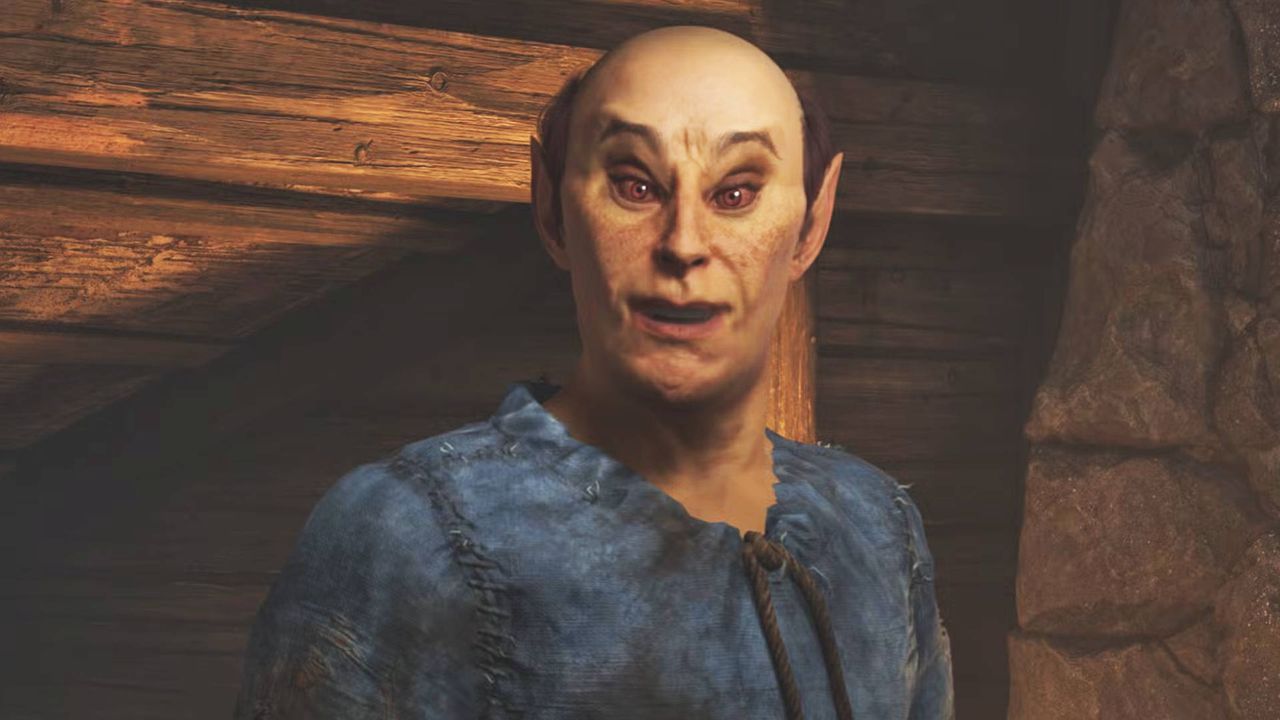
A veteran Bethesda developer has argued that Oblivion Remastered should not be classed as a "remake" in the same way as titles like the Final Fantasy 7 Remake or the Resident Evil 2 remake, which he describes as "completely new games". The comment touches on an ongoing debate within the games industry about the distinction between remasters, which primarily update visuals and technical performance while keeping the original game largely intact, and remakes, which rebuild a game's systems, content and design from the ground up.
The developer's point centres on Oblivion Remastered retaining the core structure, mechanics and content of the original 2006 Elder Scrolls IV: Oblivion, distinguishing it from projects like Square Enix's Final Fantasy 7 Remake or Capcom's Resident Evil 2, both of which substantially reworked gameplay, narrative pacing and design compared with their source material. The full article text was not available for further detail, so specifics such as the developer's identity and additional quotes could not be confirmed here.
- Bethesda veteran says Oblivion Remastered isn't truly a "remake"
- Contrasts it with FF7 Remake and RE2, calling those "completely new games"
- Highlights industry debate over remaster vs remake definitions
New here? Start with this
Bethesda Game Studios published the original Elder Scrolls IV: Oblivion in 2006, and this year released Oblivion Remastered, an updated version built with newer technology. Whether such a project should be called a "remaster" or a "remake" has become a talking point among developers and players, since the two terms carry different expectations about how much of the original has actually changed.
A remaster generally means the visuals and performance have been improved while the underlying game stays much the same, whereas a remake involves rebuilding the game's systems and content more substantially. Games often cited as remakes include Square Enix's Final Fantasy 7 Remake and Capcom's Resident Evil 2, both of which changed gameplay and structure significantly compared with their original versions.
This debate matters because the label affects how players judge a game's ambition and value, and it shapes expectations about what has actually been reworked versus simply refreshed.