Scottish museums report nearly 100,000 missing or stolen artefacts
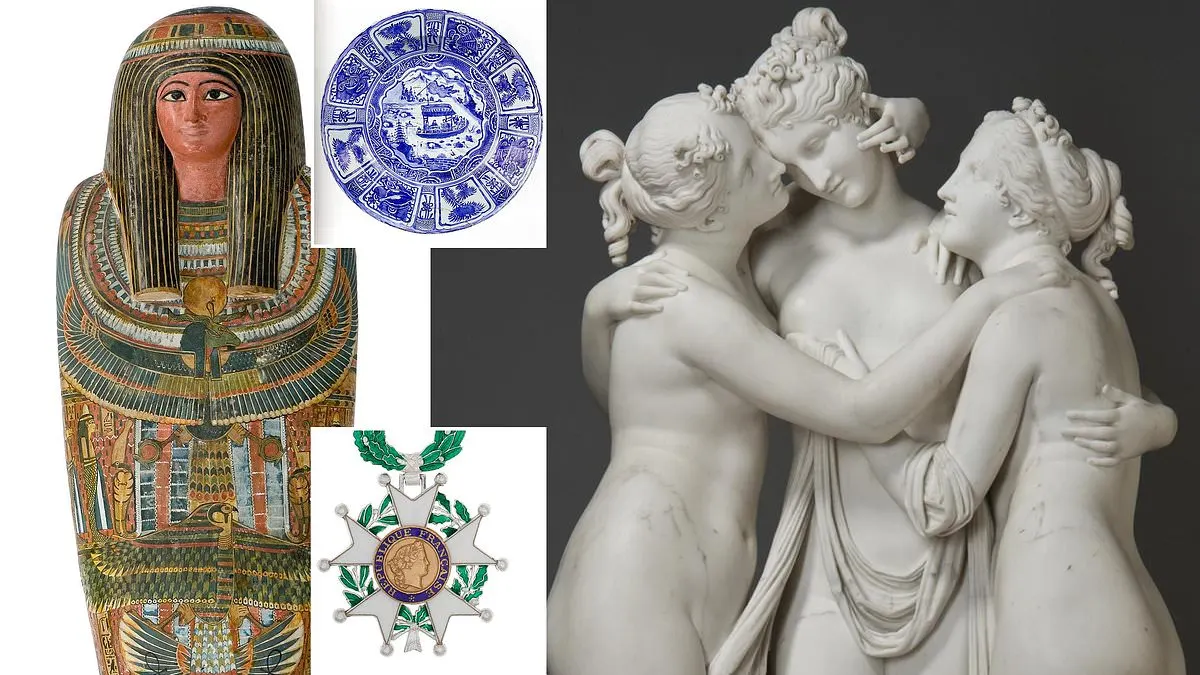
Scottish museums and councils have reported nearly 100,000 artefacts missing or stolen, including works by Rodin, Charles Rennie Mackintosh and Antonio Canova. The scale of the losses has prompted criticism from politicians and heritage experts, who say missing collections damage Scotland’s cultural record.
Glasgow Life listed 92,783 items with no location record, though it says many may reflect incomplete records or lost identity numbers; it also reported 250 thefts. National Museums Scotland reported more than 500 lost or stolen items, while Aberdeen City Council reported over 1,200 missing pieces, of which 126 had been found by August last year. Edinburgh Council did not provide figures, and Glasgow’s missing items include the Lipton Cup, valued at about £500,000.
- Nearly 100,000 Scottish museum artefacts are unaccounted for.
- Many may be missing because of record-keeping problems.
- Reported thefts include the £500,000 Lipton Cup.
New here? Start with this
Scottish museums and local councils look after collections that include paintings, sculpture, design objects and items from everyday life. Glasgow Life manages several of the city’s museums, while National Museums Scotland and councils such as Aberdeen’s care for collections in other parts of the country.
A record showing that an object’s location is unknown does not necessarily mean it has been stolen: older or incomplete catalogues can make items difficult to trace. Theft is a separate issue, and museums rely on records to identify and safeguard objects.
These collections help document Scotland’s history and cultural life, and some objects are valuable or internationally recognised. Missing items can therefore raise questions about how collections are recorded and protected, as well as what has been lost to public view.
Read the full article at the source →
Originally published by Daily Mail as “Betrayal of Scotland’s heritage as officials admit artefacts – some worth MILLIONS – have disappeared from museums”.