Beveridge revisited: Simon Callow film celebrates the radical co-founder of Britain’s welfare state
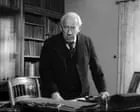
A new film, The Man With the Plan, directed by Christine Edzard and starring Simon Callow, revisits William Beveridge, the Liberal peer whose 1942 report laid the groundwork for Britain's postwar welfare state. The film argues that Beveridge was far more radical than commonly remembered, and its release is timed to resonate with the new prime minister's stated priorities, framing his call to tackle "want, disease, squalor, idleness and ignorance" as strikingly relevant to contemporary debates over living wages, the NHS's private sector role, and public utility privatisation.
Beveridge's landmark report, despite its dry official title, caused a sensation on publication in 1942, drawing mile-long queues in London and selling more than 650,000 copies. The film, shot at Sands Films Studio in Rotherhithe and set to tour libraries and community centres, follows a student named Flea (Sophie Jenkin) as she encounters Beveridge's "five giants", voiced and portrayed by figures including Miriam Margolyes and Alan Cox, alongside contributions from comedian Mark Thomas and public health professor Sir Michael Marmot, who argues Beveridge's vision remains "necessary, vital" today.
In short
- New film The Man With the Plan revisits welfare state founder William Beveridge
- Simon Callow voices Beveridge; directed by Christine Edzard at Sands Films Studio
- Film tours libraries and community centres, echoing today's welfare debates
Steelman: both sides, in good faith
The strongest fair case each way — we don't pick a winner.
The case for
Beveridge’s vision offers a strong case for tackling poverty and insecurity through shared public services and social protections. Supporters can argue that the pressures highlighted in the film, from low wages to strains on health care, show why his ambition to confront the “five giants” remains relevant.
The case against
Others may accept those goals while questioning whether Beveridge’s mid-century model is the best guide to meeting today’s needs. They could argue that public services and welfare require reform and sustainable funding, and that private provision or targeted support may sometimes deliver better results than extending state responsibility.
Explained simply
William Beveridge was a British social reformer whose 1942 report set out plans to tackle poverty and insecurity after the Second World War. Its proposals helped shape the welfare state, including social security and public services intended to support people through illness, unemployment and old age.
Beveridge described five major problems as “want, disease, squalor, idleness and ignorance”. His report became widely read and influenced the postwar government’s reforms. The film presents him as a more radical figure than he is often remembered, and connects his ideas with continuing discussion about wages, health care and public services.
Celebrity Culture Entertainment Film Government Health Medicine Politics UK World