Liverpool agree sale of one-third stake to Bezos-backed consortium
Developed over time first seen 2 months ago
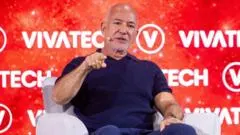
Liverpool’s owners have agreed to sell about one-third of the club to 1892 Holdings, a consortium including Amazon founder Jeff Bezos, while Fenway Sports Group retains majority ownership and operational control. The investment brings prominent business and technology figures into Liverpool’s ownership structure and is intended to support the club’s long-term growth, rather than alter its football strategy.
The consortium is led by British-Indian businessman Amit Bhatia, who is due to become vice-chairman subject to regulatory approval, and includes Facebook co-founder Eduardo Saverin. Bezos will not join the board, but K5 Sports founder Bryan Baum and Saverin’s wife Elaine will; the agreement reportedly values Liverpool at £5bn-£6bn and gives the consortium an option to increase its stake later. Liverpool says the deal will not affect transfer-window spending or create a separate transfer budget, following record revenues of £703m in 2024-25.
- Liverpool sells roughly one-third stake while FSG keeps control
- Bezos-backed consortium values club at up to £6bn
- Club says transfer policy and budget remain unchanged
New here? Start with this
Liverpool are one of England’s best-known football clubs, based at Anfield in the city of Liverpool. The club has won major domestic and European trophies and has a large worldwide following, which makes it valuable both as a sporting team and as a global business.
Fenway Sports Group, often called FSG, has owned Liverpool since 2010. It is a US sports investment company that also owns the Boston Red Sox baseball team, and it has overseen major projects at Liverpool including the redevelopment of Anfield and the expansion of the club’s commercial operations.
A consortium is a group of investors acting together. Selling a minority stake means FSG would still own more than half of Liverpool and make the main decisions, while the new investors would provide capital and have representation in the club’s ownership structure.
Both sides, in good faith
The strongest fair case each way — we don't pick a winner.
The case for
Supporters of the investment note that it maintains Fenway Sports Group's majority control whilst bringing substantial expertise from successful entrepreneurs. With Liverpool having achieved considerable success under FSG's stewardship and now attracting investment from figures with proven track records in technology and business, the consortium can provide capital for long-term infrastructure development, youth academy investment, and competitive spending without disrupting the club's established, effective management structure and strategy.
The case against
Critics express concern that this represents a concerning trend of billionaire concentration in football ownership, whereby ultra-wealthy individuals use clubs as vehicles for personal portfolio diversification rather than community institutions. They argue that whilst FSG retains nominal control, the gradual introduction of multiple powerful investors raises questions about accountability, the erosion of football's traditional values, and whether such ownership structures ultimately serve the club and its supporters' long-term interests or primarily the financial objectives of the wealthy individuals involved.
More coverage
Read the full article at the source →
Originally published by BBC Sport as “Bezos-backed consortium buys a third of Liverpool”.