Biden-era FBI tracked Melania and teenage Barron’s travel and targeted Susie Wiles’ phone in bombshell Trump probe
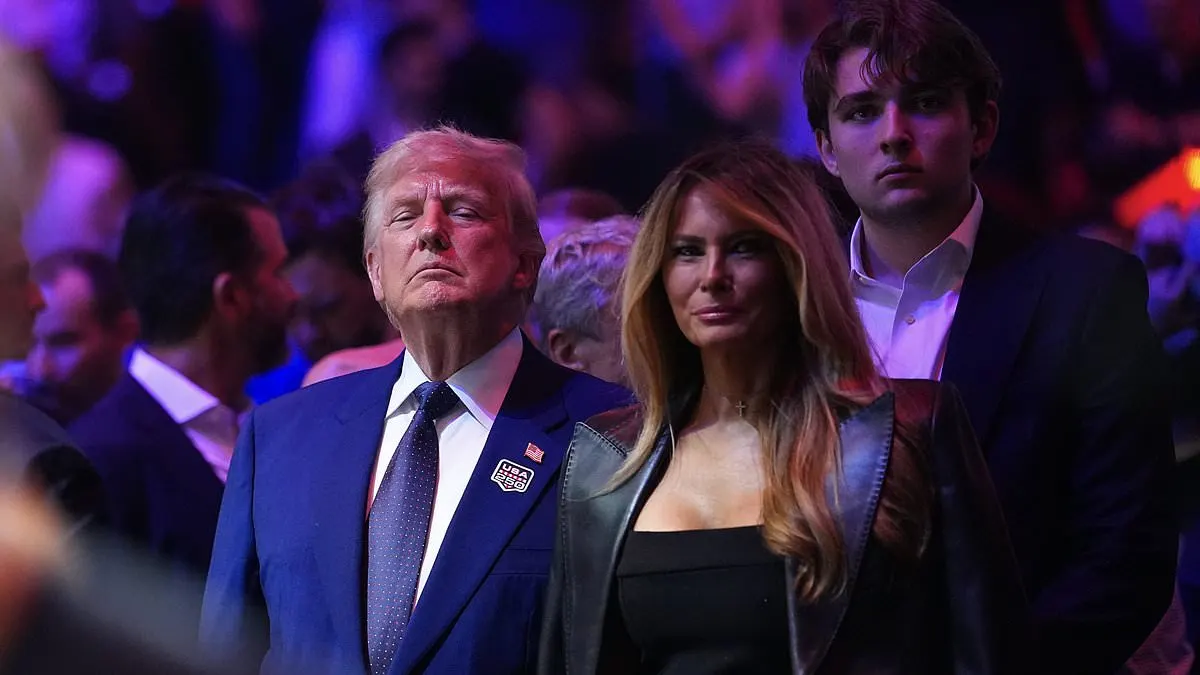
Recently released files say the FBI tracked Melania Trump and her son Barron’s travel in 2022 as it investigated Donald Trump’s handling of classified documents. The disclosures also say the FBI later monitored calls from Susie Wiles, then leading Trump’s political operation and now his White House chief of staff, raising questions about surveillance of the former president’s family and associates.
The operation was reportedly called “Plasmic Echo”, and the FBI raided Mar-a-Lago on 8 August 2022. The article says then FBI director Christopher Wray recommended that Attorney General Merrick Garland approve wiretaps, warning that disclosure before an election could disrupt the democratic process. The classified documents case was later dismissed after a judge ruled special counsel Jack Smith had been unlawfully appointed; Republicans have also alleged that Smith improperly accessed lawmakers’ phone records.
- Files say FBI tracked Melania and Barron Trump’s travel.
- Susie Wiles’ phone records were also monitored.
- The classified documents case was later dismissed over Smith’s appointment.
New here? Start with this
The FBI monitored the travel of Melania and Barron Trump during its investigation into how Donald Trump handled classified documents after leaving office. The agency also tracked communications from Susie Wiles, who was leading Trump's political operation at the time and is now his White House chief of staff. These disclosures, recently made public, have prompted questions about the surveillance of the former president's family members and associates.
The investigation centred on how classified documents came to be stored at Trump's Mar-a-Lago estate in Florida. In August 2022, the FBI conducted a raid on the property in an operation named "Plasmic Echo", which led to criminal charges against Trump. FBI director Christopher Wray reportedly recommended monitoring Wiles' phone calls, warning that early disclosure could disrupt the democratic process.
The classified documents case was eventually dismissed in court after a judge ruled that the special counsel appointed to oversee the investigation had been unlawfully appointed. The decision to dismiss the case, combined with recent revelations about the surveillance, has reignited debate about the scope and conduct of the investigation.
Both sides, in good faith
The strongest fair case each way — we don't pick a winner.
The case for
Investigators were examining potential mishandling of classified national security documents—a serious matter justifying robust investigative techniques. Tracking individuals with access to Mar-a-Lago, including close associates like Wyles, falls within standard investigative practice when examining document security breaches. The FBI director's recommendation for wiretaps was submitted through proper legal channels to the Attorney General, suggesting adherence to established procedures rather than unilateral overreach. Classified document security represents a legitimate national security concern that warrants investigative action proportionate to the gravity of the matter.
The case against
Surveilling Melania Trump and her teenage son's travel patterns, though tangentially connected to the investigation, raises proportionality concerns—they held no positions and faced no allegations. Monitoring Susie Wyles' communications targeted someone for her political role leading Trump's operation, potentially chilling legitimate political activity and free speech rights. Even if technically authorised through legal channels, the breadth of surveillance extending to family members and associates not directly implicated suggests investigative overreach. The timing during an election year, combined with the scope of monitoring, warrants scrutiny regarding whether the investigation remained appropriately focused.