World news and discussion on TalkFuse.
Biden judge blocking Ethiopian deportations despite SCOTUS ruling clashed with ICE before
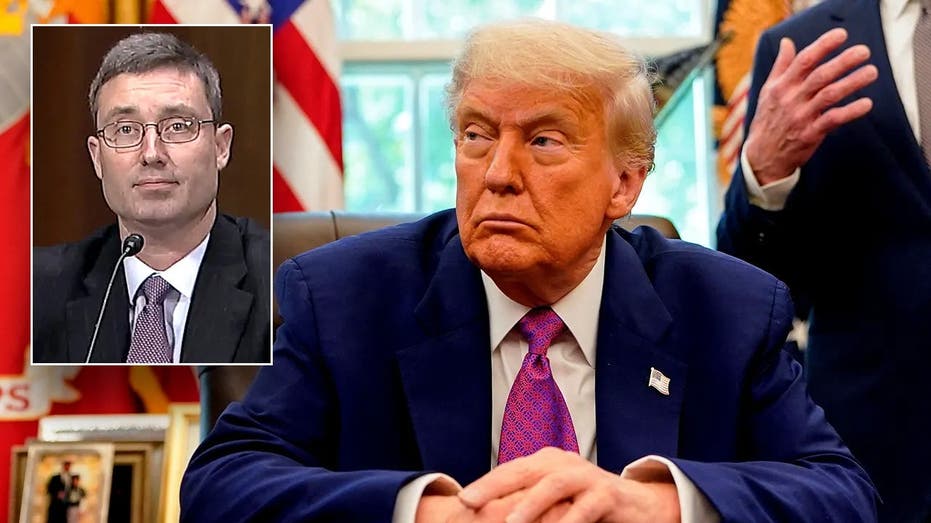
A Biden-appointed federal judge in Massachusetts has blocked the Trump administration from ending Temporary Protected Status (TPS) for Ethiopian migrants, creating another legal obstacle to the administration’s immigration policy. The decision matters because it adds to a wider dispute over how far lower courts can intervene after the Supreme Court recently backed the administration’s authority to end TPS protections for other groups.
The article says this is the second Massachusetts judge to halt an effort to withdraw TPS, intensifying the conflict between the administration and federal courts. TPS grants temporary protection from deportation and work authorisation to people from designated countries facing dangerous conditions; the ruling preserves those protections for Ethiopians while the legal challenge continues.
In short
- Judge blocks ending TPS protections for Ethiopian migrants.
- Ruling adds to legal resistance to Trump immigration policy.
- TPS allows temporary protection from deportation and work authorisation.
Steelman: both sides, in good faith
The strongest fair case each way — we don't pick a winner.
The case for
Federal courts retain constitutional duty to examine whether executive action complies with statutory requirements and procedural safeguards, even where the Supreme Court has confirmed broad executive authority. A judge may identify specific legal grounds—statutory language particular to Ethiopian TPS, proper administrative procedure requirements, or procedural defects—that justify preliminary relief pending full review. Ensuring governmental compliance with its own legal frameworks whilst protecting vulnerable populations represents essential judicial responsibility.
The case against
The Supreme Court has confirmed executive authority to terminate TPS; allowing lower courts to repeatedly block implementation through successive litigation creates practical chaos and undermines respect for final judicial rulings. Multiple injunctions from different lower courts perpetuate indefinite litigation that prevents lawful executive policy from taking effect. Immigration decisions warrant deference to elected officials accountable for national security and resource allocation decisions.
Explained simply
Temporary Protected Status is a government programme that allows people from countries experiencing conflict, natural disaster or other humanitarian crises to live and work in a country temporarily, without fear of deportation. The status remains in place whilst conditions in their home country remain too dangerous for safe return.
The Trump administration has been seeking to end Temporary Protected Status for various groups of migrants, including Ethiopians. A federal judge appointed by President Biden has blocked this effort for Ethiopian migrants, meaning they can keep their work permissions and protection from deportation whilst the legal case continues.
This dispute matters because the Supreme Court recently ruled that the administration has the legal authority to end these protections. Lower courts, however, have now blocked the administration from carrying out this decision for Ethiopians, creating a conflict over the courts' power in immigration matters.