World news and discussion on TalkFuse.
Biden’s fight to keep Hur interview tapes under wraps suffers fresh court blow
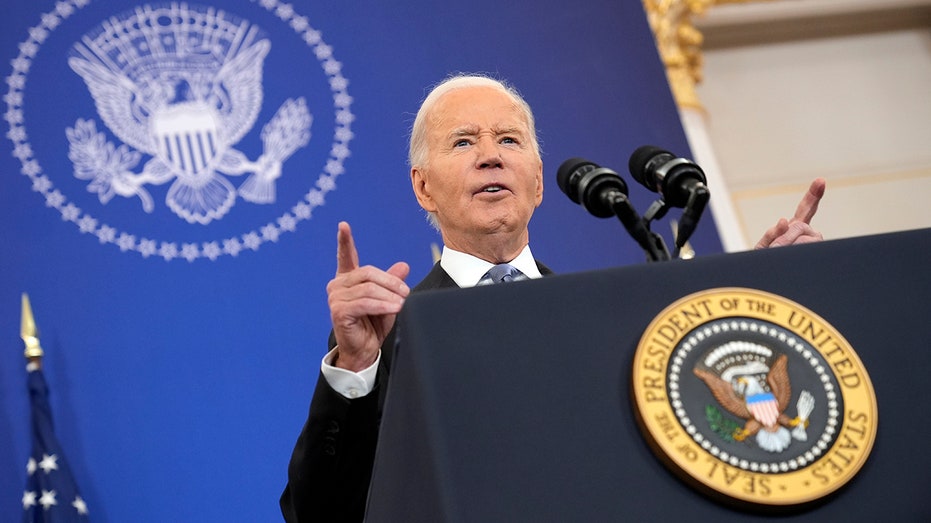
A US federal appeals court has rejected former President Joe Biden's emergency bid to keep sealed the audio recordings and transcripts of his interviews with a ghostwriter, which were obtained during special counsel Robert Hur's investigation into his handling of classified documents. The ruling, delivered on Monday, marks a fresh legal setback for Biden as he seeks to prevent the material becoming public, and comes amid continuing political scrutiny over his mental fitness while in office.
The court found that any remaining intrusion on Biden's personal privacy from releasing the recordings was outweighed by other considerations, though the full text of its reasoning was not detailed. The case has drawn wider political attention, with Republican figures such as Representative Jim Jordan commenting on both the recordings dispute and separate remarks by former First Lady Jill Biden regarding her husband's fitness for office.
In short
- Appeals court rejects Biden's bid to seal Hur interview tapes
- Recordings stem from special counsel's classified documents probe
- Ruling adds to scrutiny over Biden's fitness while president
Steelman: both sides, in good faith
The strongest fair case each way — we don't pick a winner.
The case for
Those in favour of releasing the recordings argue that a former sitting president's fitness to serve is a matter of legitimate public interest rather than personal privacy, particularly given that Hur's report explicitly cited Biden's memory as a factor in his prosecutorial decision. They contend that voters and historians are entitled to the primary evidence underlying a special counsel's conclusions rather than a paraphrased summary, and that transparency around presidential decision-making, especially involving classified material, serves democratic accountability. Advocates for disclosure also note that courts have already weighed the privacy claims and found them insufficient to override the public's right to access such records.
The case against
Those opposed to releasing the tapes argue that Biden, like any citizen, retains a legitimate interest in controlling deeply personal recordings never intended for public broadcast, especially where no criminal charges resulted and the investigation itself concluded without wrongdoing. They contend that releasing audio, as opposed to the already-published transcript, invites selective clipping and political exploitation that could distort rather than inform public understanding. Supporters of continued sealing also emphasise the precedent at stake: subjects of investigations who are never charged should not fear that their most candid, unguarded moments will later be mined for partisan attack lines.
Explained simply
Last year, special counsel Robert Hur was appointed to investigate whether former President Joe Biden unlawfully retained classified documents after leaving office. During that inquiry, Biden gave a series of interviews to a ghostwriter working on his memoir, and these conversations were recorded and transcribed as part of Hur's investigation into his conduct.
Since then, Biden's legal team has fought to keep these recordings and transcripts confidential, arguing that releasing them would invade his personal privacy. The recordings were never part of Hur's public report and were sealed to protect Biden's private communications, but the question of whether they should remain secret remains contested in the courts.
The dispute matters because it sits at the intersection of two major issues dominating recent American politics: accountability in government and questions about Biden's fitness for office. Republicans have cited the case as part of broader arguments about Biden's mental state, whilst the legal fight highlights wider debates about what information the public should be entitled to see when a president is under investigation.