‘Big Bang Theory’ Favorites React to Sci-Fi Spin-Off Announcement: “We Thought We Were Being Punk’d”
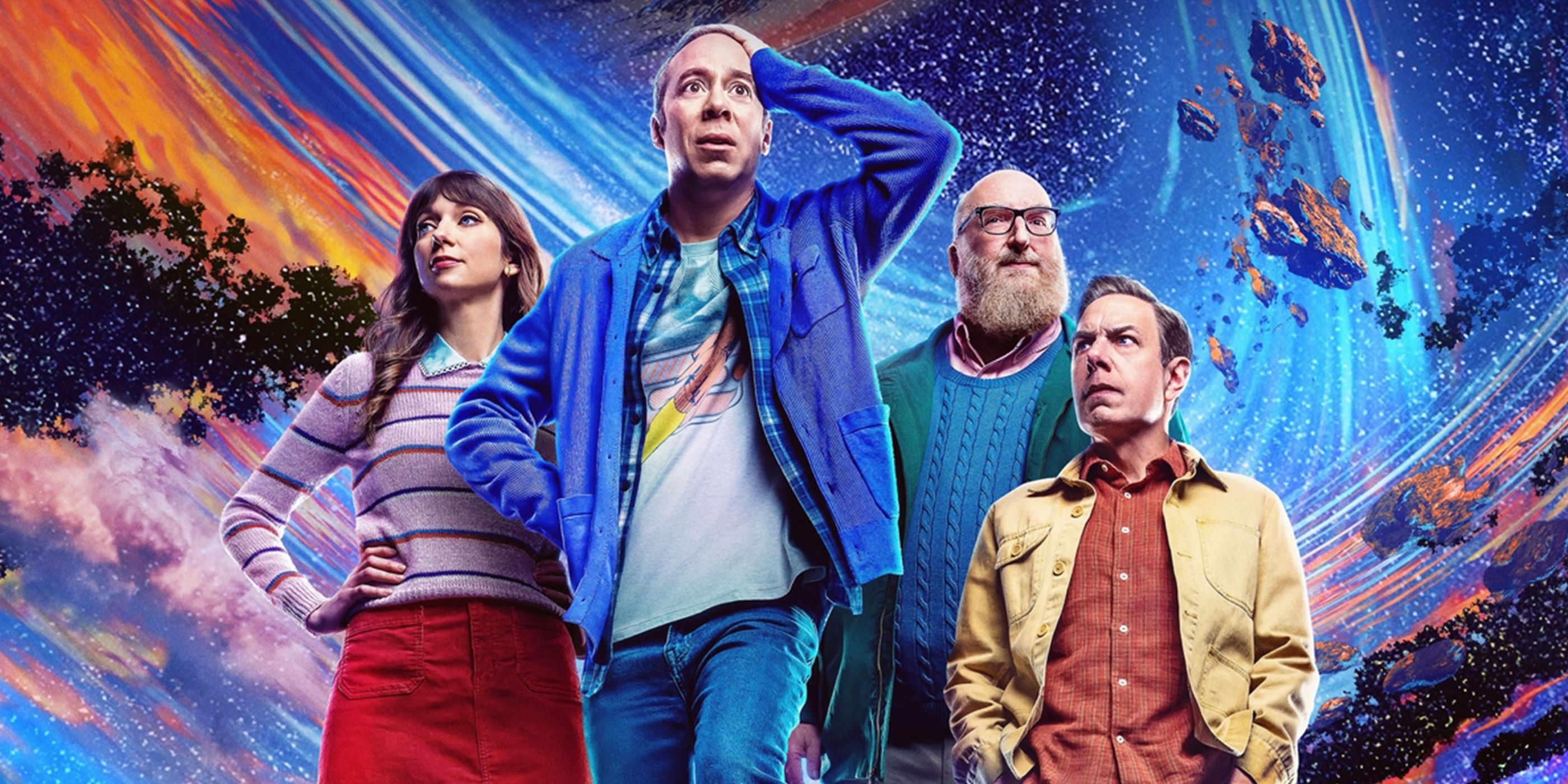
The Big Bang Theory spin-off Stuart Fails to Save the Universe has launched on HBO Max, with its cast saying they initially thought the call about the project was a prank. The 10-episode sci-fi comedy shifts attention to previously secondary characters and sends comic-book shop owner Stuart Bloom on a multiverse-saving mission, marking a more ambitious direction for the franchise.
Stuart, played by Kevin Sussman, must repair the consequences of breaking a dimension-travelling device made by Sheldon and Leonard, alongside Denise, Bert and Barry Kripke. Creators Chuck Lorre, Zak Penn and Bill Prady said the season developed organically rather than being mapped out fully in advance; the cast also described demanding wirework and stunts, while teasing a confusing cliffhanger finale and possible second season.
- Big Bang Theory spin-off brings Stuart Bloom into a multiverse adventure.
- Cast initially believed the new series announcement was a prank.
- Creators tease an ambitious finale and possible second season.
Both sides, in good faith
The strongest fair case each way — we don't pick a winner.
The case for
Supporters may welcome the spin-off as a creative way to extend a familiar comedy without simply repeating its original formula. Putting previously secondary characters at the centre, and pairing them with a multiverse plot, gives the performers fresh material while retaining the franchise’s humour and world for existing fans. They may also see the creators’ willingness to let the season develop organically as appropriate for a comedy that depends on character chemistry and surprising ideas.
The case against
Sceptics may argue that moving The Big Bang Theory into an ambitious sci-fi adventure risks losing the grounded, character-led comedy that made the original broadly popular. A story built around dimension travel, stunts and a cliffhanger could feel like franchise expansion for its own sake, especially if familiar characters and settings are used mainly to secure audience attention. They may prefer the creators to have a clearer long-term plan before inviting viewers into a new serialised storyline.