Politics news and discussion on TalkFuse.
Big Electricity Users Say Grid Operator Handed Local Utilities $3.8 Billion In Power Lines Without Bids
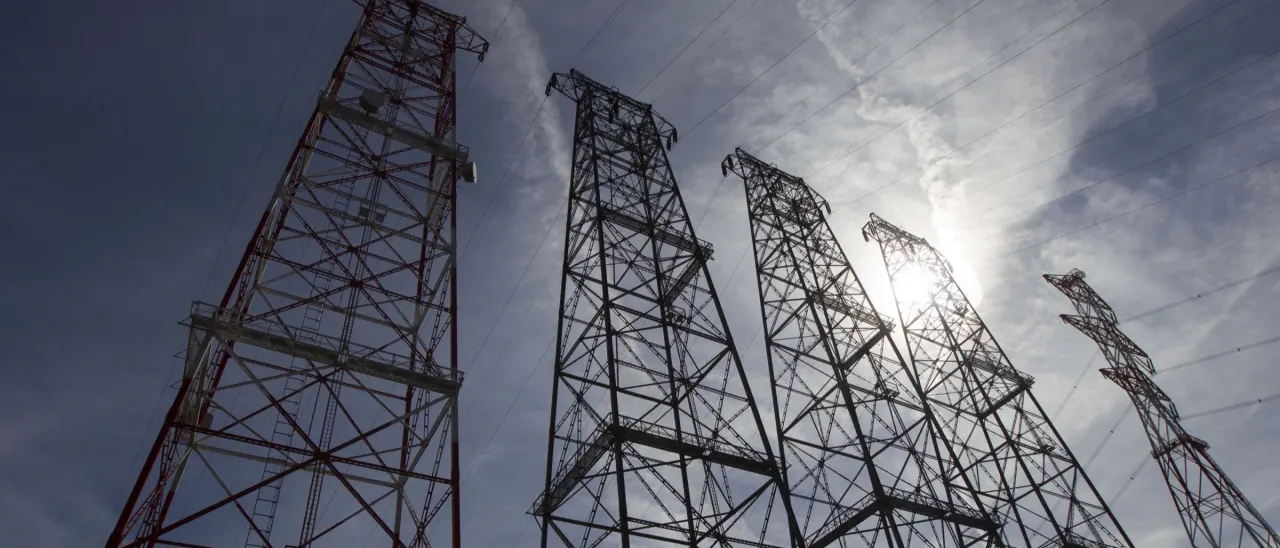
Industrial electricity users have asked the Federal Energy Regulatory Commission to require competitive bidding for four Southwest Power Pool transmission projects worth about $3.78 billion. They allege SPP wrongly used a short-term reliability exemption to assign the work directly to local utilities, arguing that competition could reduce costs for consumers as transmission charges rise.
SPP says the projects have already been assigned and are being developed or built, and argues there is no evidence the complainants would be harmed before February 2027. None of the four lines is scheduled to enter service before May 2029; one 239-mile line was said to be needed by June 2026 but is scheduled for November 2030. The largest project is a 315-mile line from central Oklahoma to north-west Louisiana, estimated at $2.37 billion. A group backing the complaint cited possible savings of $760 million from a 20 per cent cost reduction, while cautioning that this is not guaranteed.
In short
- Industrial users want bids for four SPP power lines.
- The projects are estimated to cost $3.78 billion.
- SPP says the lines are already assigned and under development.
Steelman: both sides, in good faith
The strongest fair case each way — we don't pick a winner.
The case for
Competitive bidding could test whether other developers can build the lines more cheaply, potentially limiting costs passed on to electricity users as transmission charges rise. The complainants argue that a short-term reliability exemption should not be used to assign large projects directly, especially when the lines are not due to enter service for years; the cited savings are uncertain but suggest the possible scale of consumer benefits.
The case against
SPP argues the projects have already been assigned and are under development or construction, so reopening them could disrupt work intended to meet reliability needs. It also says the complainants have not shown they would be harmed before February 2027, and that projected savings from competition are not guaranteed; on that view, the case for changing course now is not established.