Big money, bigger disaster: Minnesota exposes Michigan as Wolverines are latest example of wasted NIL funds
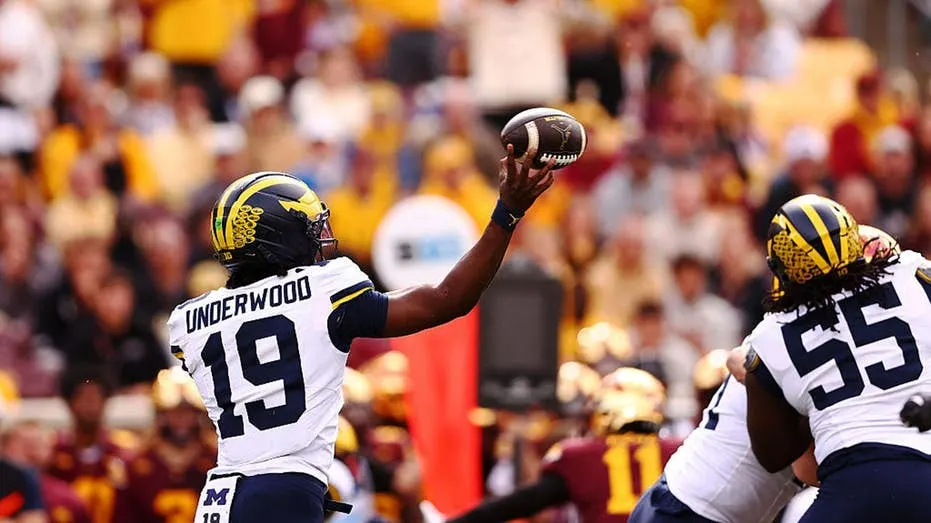
Minnesota beat Michigan at home for the first time since 1977, keeping the Little Brown Jug in Minneapolis for the next year. The result added to Michigan’s struggles after a loss to Iowa the previous week and raised questions about the return on the money donors put into the team.
The article focuses on quarterback Bryce Underwood, a highly rated recruit whose deal is described as worth about $10 million over its term. He made repeated mistakes against Minnesota, and Michigan’s coaches have considered whether to bench him. The result illustrates the risks of spending heavily on high school recruits, though the article’s criticism of Michigan’s prospects and spending is opinion.
- Minnesota beat Michigan at home for the first time since 1977.
- The Gophers kept the Little Brown Jug for another year.
- The article questions Michigan’s return on its reported $10 million deal for Bryce Underwood.
New here? Start with this
NIL refers to the rules that let college athletes earn money from their name, image and likeness, including through deals funded by supporters. In American college football, wealthy donors can help attract sought-after players, but those deals do not guarantee strong performances or wins.
Michigan’s team is the Wolverines, and Bryce Underwood is a highly rated young quarterback whose reported deal is worth about $10 million over its term. Coaches choose who starts at quarterback, and Underwood’s mistakes have prompted discussion about whether he should keep the role.
Michigan and Minnesota also compete for the Little Brown Jug, a trophy awarded to the winner of their long-running rivalry. The story raises broader questions about how college teams use donor-backed deals to recruit players and how much can reasonably be expected in return.
Both sides, in good faith
The strongest fair case each way — we don't pick a winner.
The case for
Large NIL commitments can help programmes attract exceptional prospects and compete for talent, but they are investments with uncertain returns. When an expensive recruit struggles and the team loses, donors and supporters can reasonably question whether the money was well spent and whether recruiting has come at the expense of building a balanced, reliable squad.
The case against
A recruit’s reported deal is not a guarantee of immediate success, and a few poor performances do not establish that the investment was wasted. Young players develop at different rates, while coaching, team depth and other factors shape results; judging the spending on one quarterback or a short run of losses may overlook its longer-term aims and the wider benefits of retaining top talent.