Technology news and discussion on TalkFuse.
Big Tech demanding deals that smooth out memory prices, says SK Hynix
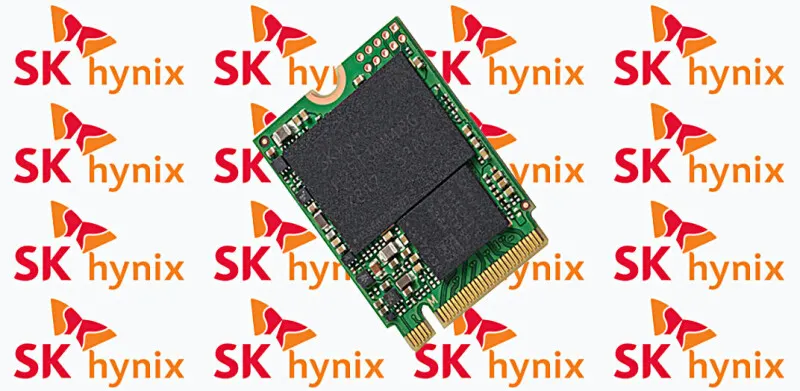
SK Hynix has signed roughly ten long-term supply agreements with major customers, many of them AI companies, aimed at smoothing out volatile memory prices. The South Korean chipmaker unveiled the deals alongside blockbuster second-quarter results, reflecting how surging demand for AI infrastructure has transformed its fortunes and given Big Tech buyers an incentive to lock in stable, predictable pricing rather than face further spikes.
Quarterly revenue hit ₩79.3 trillion ($54.5 billion), up 257 percent year-on-year, while operating profit soared 557 percent to ₩60.5 trillion ($41.6 billion), with asset sales even pushing net income above revenue. The growth was driven by a 30 percent rise in average DRAM prices and a 50 percent jump in NAND prices alongside higher shipment volumes. The new contracts, some running up to five years, include mechanisms such as customer deposits to guarantee purchase commitments, and executives said HBM4 memory shipments would grow further, dismissing fears of oversupply given what they describe as insatiable AI-driven demand.
In short
- SK Hynix signs ~10 long-term memory supply deals to stabilise prices
- Q2 revenue up 257%, operating profit up 557% year-on-year
- Execs see no oversupply risk amid strong AI demand for memory
Steelman: both sides, in good faith
The strongest fair case each way — we don't pick a winner.
The case for
Long-term supply contracts represent sensible risk management in capital-intensive industries where both suppliers and customers benefit from price and volume certainty. These deals enable SK Hynix to plan production confidently whilst allowing Big Tech to invest in AI infrastructure without fearing destabilising price spikes, ultimately creating stability that benefits both parties and encourages further innovation. This arrangement is normal commercial practice across industries and reflects the legitimate desire of both sides to reduce uncertainty in a period of unprecedented demand.
The case against
By locking customers into multi-year commitments at current high prices, these deals risk suppressing the competitive market forces that would normally drive prices down and encourage new entrants. The customer deposits and exclusive arrangements between a dominant supplier and major technology companies could constitute anti-competitive coordination, potentially harming smaller firms unable to negotiate equivalent terms and reducing the market dynamism that typically benefits innovation and consumers.
Explained simply
SK Hynix is a South Korean company that manufactures memory chips—the components that computers and servers use to store and access data quickly. Memory chips are essential infrastructure, and SK Hynix is one of the world's largest suppliers of these components to technology companies worldwide.
Memory chip prices have historically been volatile, swinging significantly up and down based on supply and demand imbalances. With technology companies now competing intensely to buy memory chips for their large computer systems and artificial intelligence operations, these price swings have become particularly costly and unpredictable for buyers who need huge quantities.
Long-term supply contracts allow large technology companies to lock in stable prices for memory chips over several years, protecting them from sudden price spikes and giving them better control over their costs. For SK Hynix, these agreements guarantee steady, predictable demand from its biggest customers whilst allowing it to plan production more effectively.
AI Entertainment Horror Technology