Video games news, releases, esports and culture — all the biggest gaming stories in one place.
Big Walk ignores ‘friendslop’ trends, and is better for it
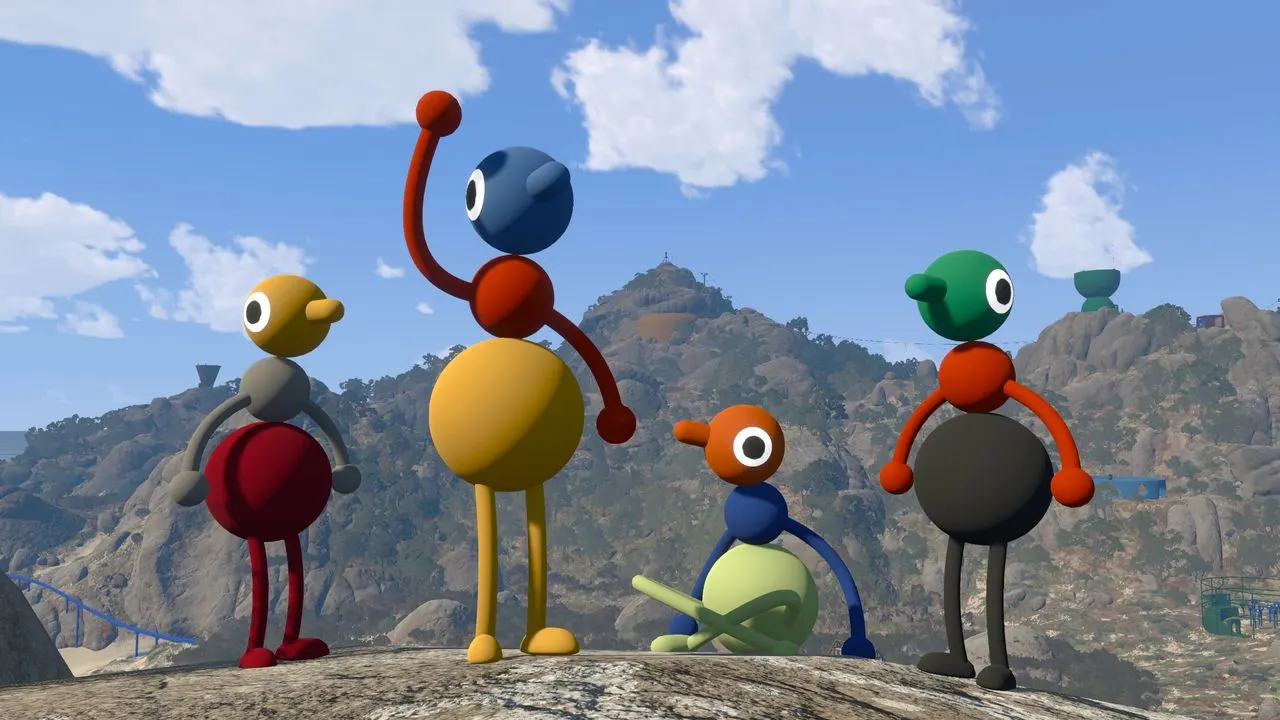
PC Gamer has published a piece praising the game Big Walk for steering clear of "friendslop" — a dismissive term for the wave of low-effort, gimmicky co-op titles designed primarily to farm engagement between friends rather than offer meaningful gameplay. The article argues that Big Walk's more considered approach to its puzzle and social mechanics sets it apart from this crowded trend, making it a stronger and more genuine experience as a result.
The piece, filed under PC Gamer's puzzle games coverage, focuses on how the game resists formulaic design choices common to recent multiplayer releases, instead prioritising substance over viral-friendly gimmicks. Specific gameplay details from the full article were not available in the retrieved text, which consisted mainly of site navigation and membership promotional content rather than the article body.
In short
- PC Gamer praises Big Walk for avoiding "friendslop" co-op game trends
- Article argues the game favours substance over shallow social gimmicks
- Full article details were largely inaccessible in the retrieved text
Steelman: both sides, in good faith
The strongest fair case each way — we don't pick a winner.
The case for
Games designed primarily to farm engagement and viral moments rather than offer substantive gameplay represent a concerning trend that prioritises metrics-driven design over genuine player experience. Big Walk's commitment to meaningful puzzle design and thoughtful social mechanics demonstrates that engaging multiplayer games need not sacrifice substance for accessibility, making it genuinely superior to the formulaic approach that much contemporary co-op design has adopted.
The case against
Dismissing co-op games as 'friendslop' because they prioritise accessible fun and social connection over complex mechanics applies an unfairly harsh standard to titles that succeed at their intended purpose. Casual experiences designed to entertain friends for an evening have legitimate value and appeal; judging them harshly for their primary focus rather than on their own merits conflates different design goals and overlooks what makes such games worthwhile for their audiences.
Explained simply
Co-operative video games let people play together towards shared goals, often by solving puzzles or overcoming challenges. Some are designed for brief, easily shared moments, while others build their play around more involved tasks and communication.
“Friendslop” is a dismissive label used for co-operative games seen as relying on novelty or social-media attention more than substantial play. The term is subjective, and games in this category can still appeal to players looking for casual fun with friends.
Big Walk is a co-operative puzzle game. The debate around it reflects a wider question in multiplayer gaming: how much a game’s appeal comes from viral-friendly moments, and how much from the depth of the play itself.