Entertainment news and discussion on TalkFuse.
Surfers tackle dangerous Mavericks swells as storms batter California coast
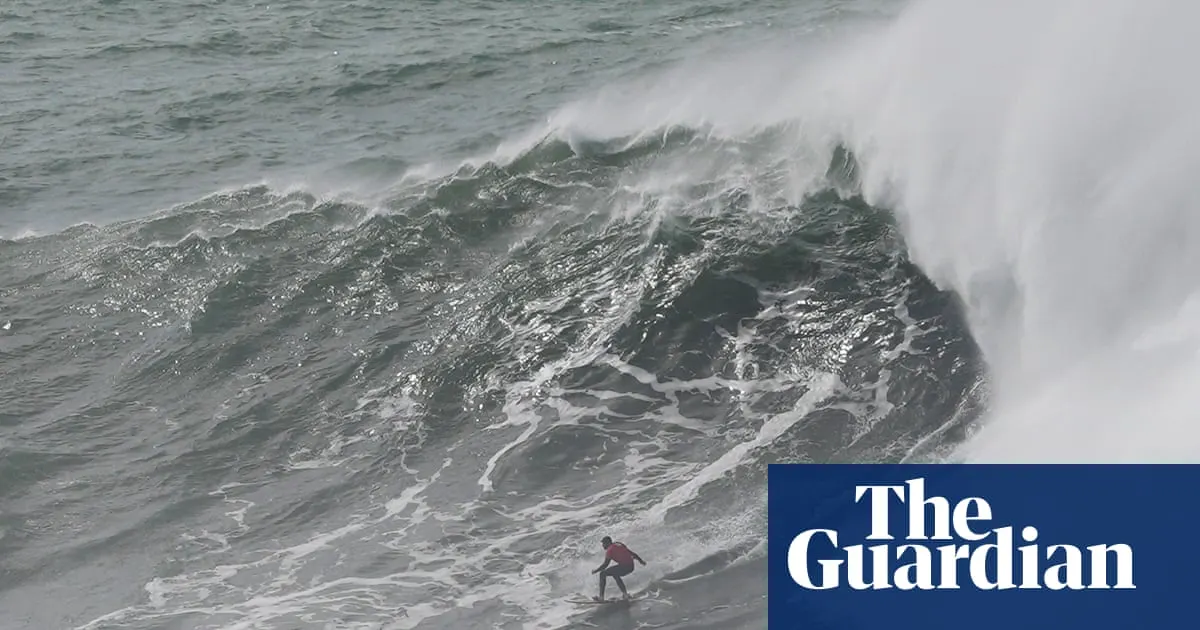
Professional big-wave surfers travelled to California’s Mavericks Beach on Saturday to ride enormous, storm-driven swells linked to this year’s Super El Niño. The event, dubbed “Monster Day” by some fans, drew international attention, even as the storms causing the waves have damaged homes and infrastructure along the coast.
Among the surfers were American Kai Lenny, French surfer Clément Roseyro, Australian Jamie Mitchell and Brazilian Lucas Chianca. Conditions were considered so dangerous that some experienced surfers stayed out; Mitchell was knocked down and his inflatable safety vest ripped away. He said it took all his years of experience to survive, while footage showed other surfers riding the waves.
In short
- Super El Niño storms brought huge swells to Mavericks Beach.
- International surfers tackled the dangerous conditions.
- Jamie Mitchell’s safety vest was torn away by a wave.
Steelman: both sides, in good faith
The strongest fair case each way — we don't pick a winner.
The case for
For experienced big-wave surfers, tackling Mavericks can be a serious test of skill, preparation and judgement, and the spectacle may celebrate a demanding sport while drawing attention to California’s powerful coastline. Supporters can argue that consenting professionals should be free to assess the risks for themselves, provided safety measures are taken.
The case against
The storms behind the spectacle have damaged homes and infrastructure, and the reported injuries and equipment failure show how quickly even expert surfers can be overwhelmed. Critics can argue that celebrating exceptionally dangerous conditions risks normalising avoidable harm and diverting attention from the people facing the storms’ consequences.
Explained simply
Mavericks is a surf break near Half Moon Bay, south of San Francisco, where powerful Pacific swells meet a shallow, rocky seabed and rise into very large waves. The biggest waves are usually driven by winter storms far out in the ocean, which send energy towards the California coast.
Big-wave surfing involves riding waves that can be several times taller than a person, with surfers relying on training and safety teams to manage the risk. Storms that create dramatic surf can also bring destructive waves and flooding to coastal communities, so the same conditions can draw spectators while putting people and property in danger.
Entertainment Horror Politics World
Read the full article at the source →
Originally published by The Guardian as “Big wave surfers line up to ride ‘raw power of the Pacific’ during Super El-Niño swells”.