Bill Maher admits he could vote for JD Vance, warns ‘cowardly’ Democrats face socialist takeover
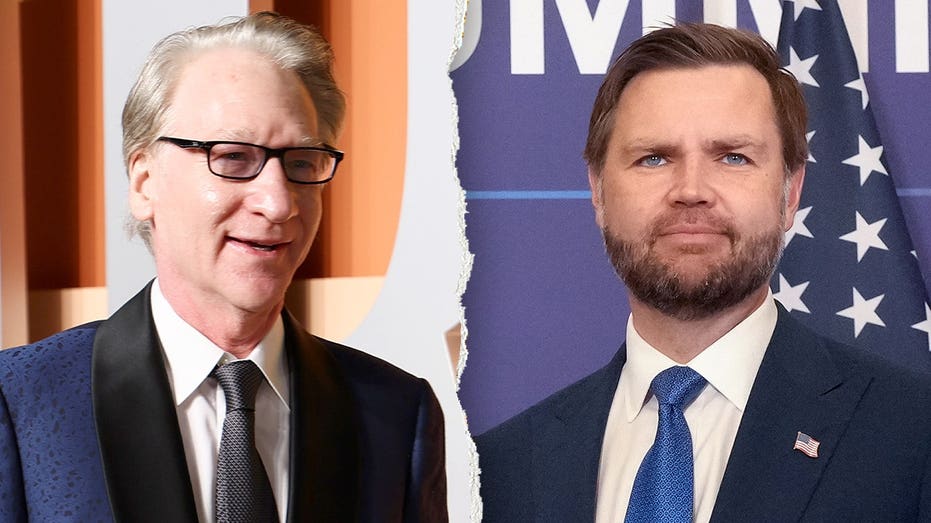
US comedian and HBO host Bill Maher said on his show that he could see himself voting for Vice President JD Vance in the 2028 presidential election, should the Democratic Party nominate a candidate he considers too far to the left. Maher accused Democrats of being "cowardly" in the face of what he described as a socialist takeover of the party, arguing that centrist voices are failing to push back against radical elements. The remarks add to a running theme on his programme, where he has repeatedly criticised what he sees as the Democratic Party drifting away from the political centre.
Maher's comments were made during a broadcast segment in which he discussed the direction of the Democratic Party ahead of future elections, warning that its leadership was not doing enough to resist a leftward, socialist shift. The article situates his remarks within a wider set of ongoing debates covered by the outlet about socialism versus capitalism within Democratic politics, including similar warnings from other commentators about the influence of groups such as the Democratic Socialists of America.
- Bill Maher says he could back JD Vance in 2028.
- He accuses Democrats of being "cowardly" over the party's leftward drift.
- Warns socialist elements risk taking over the Democratic Party.
Both sides, in good faith
The strongest fair case each way — we don't pick a winner.
The case for
Maher and those who share his view argue that a political party should remain viable to the broad electorate rather than be captured by its most ideologically driven wing, and that voters who feel abandoned by a shift towards democratic socialism have a legitimate grievance worth voicing loudly, even to the point of threatening their vote elsewhere. They see calling out perceived cowardice in party leadership, an unwillingness to challenge a vocal faction, as a form of tough love meant to keep the party electorally competitive and ideologically moderate.
The case against
Critics would argue that this framing overstates the influence of the party's left flank and unfairly brands a diverse coalition of Democrats as timid simply because they have not disowned colleagues who hold democratic-socialist views. They would contend that threatening to back a Republican such as JD Vance, whose policy record differs sharply from Maher's stated values, is a rhetorical device more likely to pressure the party through public shaming than a genuine reflection of shared political ground, and that internal party debate over ideas should not be mistaken for weakness or capitulation.