Entertainment news and discussion on TalkFuse.
Bill Maher argues canceled stars like Louis CK, Kevin Spacey should be let out of ‘show business jail’
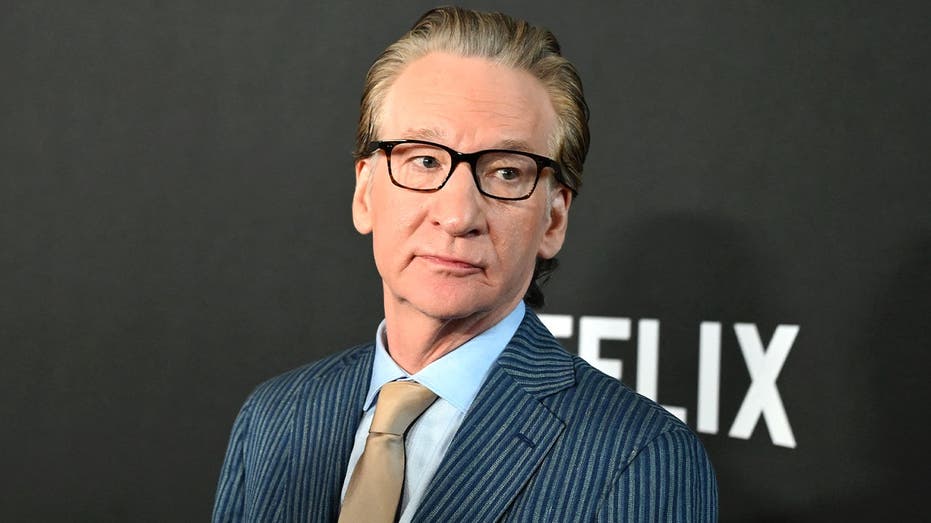
Bill Maher has defended his decision to invite controversial comedian Louis C.K. to his Mark Twain Prize for American Humor ceremony, arguing that entertainers "cancelled" over past scandals, including Kevin Spacey, deserve a chance to return to their careers. Speaking on NPR's "Newsmakers" podcast, Maher framed his stance as part of a broader objection to what he views as an overly punitive culture that permanently exiles public figures from "show business" rather than allowing them a path back after facing consequences for their actions.
Maher has been a longstanding critic of cancel culture, and his comments extend that position to specific cases such as Louis C.K., who admitted to sexual misconduct in 2017, and Kevin Spacey, who faced multiple allegations of sexual assault and harassment. The article, drawn from Fox News's coverage of the podcast appearance, does not detail further specifics of Maher's remarks beyond his general defence of giving such performers a route back into the industry.
In short
- Bill Maher defends inviting Louis C.K. to his comedy award ceremony.
- He argues cancelled stars like Kevin Spacey deserve a second chance.
- Comments made during an appearance on NPR's "Newsmakers" podcast.
Steelman: both sides, in good faith
The strongest fair case each way — we don't pick a winner.
The case for
Society benefits when people who have made serious mistakes are eventually allowed pathways to redemption rather than subjected to permanent exile. Louis C.K. and Kevin Spacey have faced professional consequences and accountability for their misconduct; according to this view, indefinite career destruction constitutes cruelty rather than justice. The principle that punishment should be proportionate and finite—not permanent banishment—reflects both fairness and the recognition that people can change and deserve opportunities to rebuild their lives and careers.
The case against
The entertainment industry has historically enabled and protected predatory behaviour through power imbalances and institutional tolerance. When wealthy, powerful entertainers face consequences before swiftly seeking platforms again, it risks perpetuating the same patterns that harmed vulnerable people in the first place. These are private industry decisions, not government censorship, and employers have the right to choose whom they work with. Prioritising the career prospects of those accused of serious misconduct over the safety and dignity of those they harmed fundamentally misorders ethical priorities.
Explained simply
In recent years, public figures accused of serious misconduct, particularly sexual misconduct, have sometimes lost their careers and public platforms after facing public criticism and withdrawal of professional opportunities. This phenomenon has sparked debate about how harshly society should punish wrongdoing and whether complete removal from public life is ever appropriate. Some argue that such consequences are necessary accountability, whilst others believe the response has become excessive and unforgiving.
Louis C.K., a well-known comedian, publicly admitted to sexual misconduct in 2017 and has been largely absent from mainstream entertainment since. Kevin Spacey, an acclaimed actor, faced multiple allegations of sexual assault and harassment that effectively ended his mainstream career. Bill Maher, host of a popular television talk show, has argued that such figures should eventually be allowed to return to work rather than face permanent exclusion from the industry.
This debate reflects fundamental questions about punishment, accountability and redemption in society. Supporters of Maher's view argue that permanent career destruction prevents genuine reform and that pathways back matter, whilst critics contend that prioritising the return of accused figures risks minimising serious crimes or causing further harm to accusers. The tension between these positions continues to shape discussions around how entertainment and other industries should respond to misconduct.
Celebrity Entertainment Space Technology World