Technology news and discussion on TalkFuse.
Billionaires can’t find parking for their megayachts — and developers are cashing in
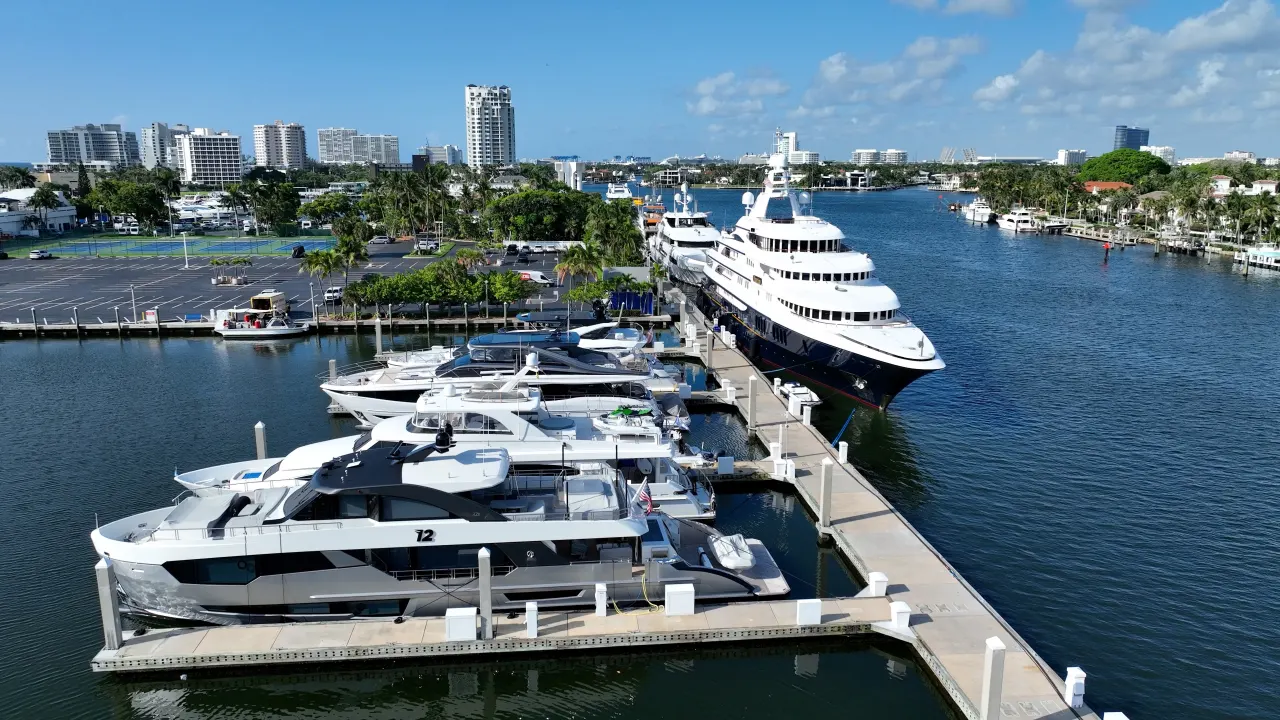
Demand for berths for large yachts is outstripping supply, particularly in South Florida, as the global superyacht fleet grows and boats get bigger. Developers and investors are responding by buying marinas and building luxury waterfront projects that combine yacht moorings with homes, hotels and leisure facilities.
More than 6,000 vessels longer than 98 feet are now in service worldwide, with about 200 launched each year; Florida has around one million registered recreational boats. Related Group is investing $2 billion in a redevelopment of Bahia Mar in Fort Lauderdale, planned to include a marina for 250 vessels, while Tavistock has completed a $1 billion overhaul of Pier Sixty-Six, whose marina has 164 slips. The article also cites Blackstone’s $5.6 billion purchase of Safe Harbor Marinas and the company’s later $1.5 billion acquisition of 65 marina and storage sites.
In short
- Growing superyachts are creating a shortage of suitable berths.
- Developers are pairing marinas with high-end homes and hotels.
- Bahia Mar’s planned marina will accommodate up to 250 vessels.
Steelman: both sides, in good faith
The strongest fair case each way — we don't pick a winner.
The case for
The growth in large yachts has created a real shortage of suitable berths, and private investment can expand capacity while upgrading ageing waterfront facilities. Projects that combine marinas with homes, hotels and leisure venues may bring jobs, visitor spending and renewed use of valuable coastal sites.
The case against
Luxury marina developments can direct scarce waterfront land and public infrastructure towards a small, wealthy clientele, while adding pressure on housing, traffic and sensitive coastal environments. As investment groups consolidate marinas, critics may also question whether essential access to the water is becoming less affordable or accountable to local communities.