Entertainment news and discussion on TalkFuse.
BioWare veteran says Baldur’s Gate 3 was such a great sequel because it didn’t try to be too much like Baldur’s Gate 2
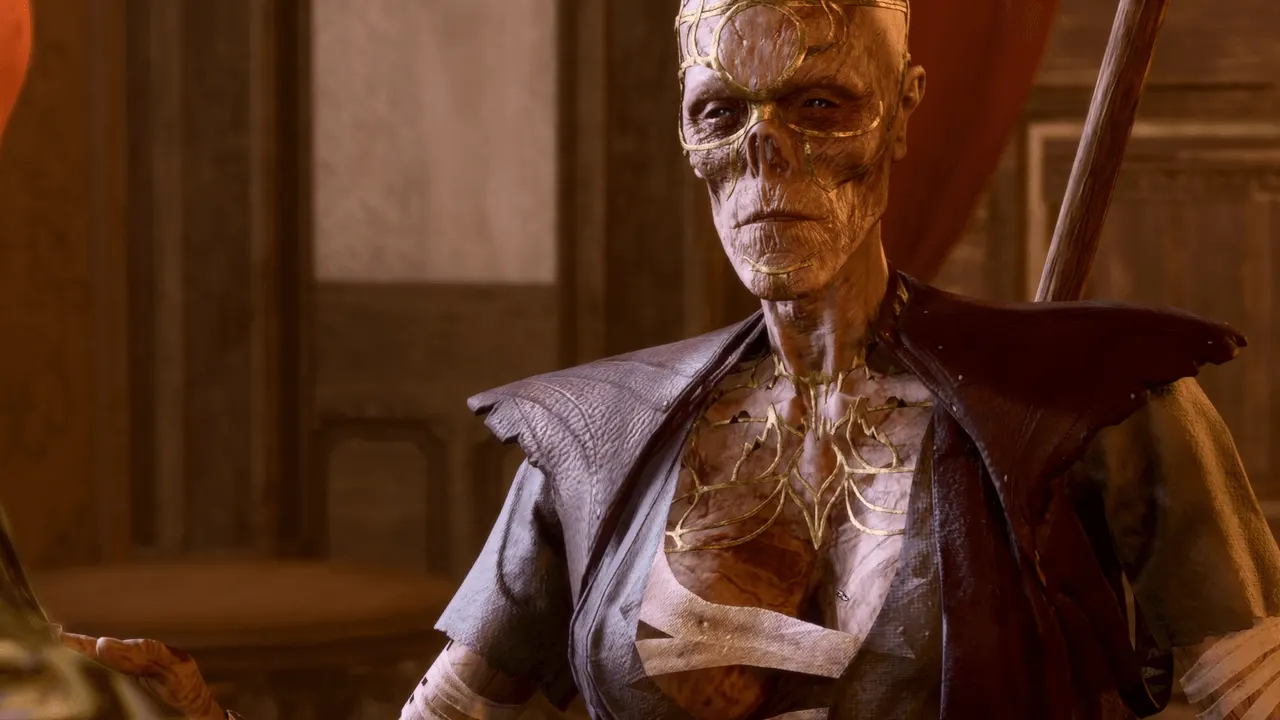
A former BioWare developer has argued that Baldur’s Gate 3 succeeded as a sequel because it did not attempt to closely replicate Baldur’s Gate 2. The comment highlights the balance between respecting an established series and allowing a new studio and era to bring a distinct approach.
The view credits Larian Studios with building on the Baldur’s Gate name and setting while making a game shaped by its own design priorities. Baldur’s Gate 3 became a major critical and commercial success, despite arriving more than two decades after Baldur’s Gate 2 and using a substantially different style of turn-based role-playing.
In short
- Baldur’s Gate 3 succeeded by avoiding imitation of its predecessor.
- Larian built a distinct sequel within an established series.
- The game followed Baldur’s Gate 2 more than 20 years later.
Steelman: both sides, in good faith
The strongest fair case each way — we don't pick a winner.
The case for
A sequel succeeds when it respects a franchise's core identity whilst embracing its own era's design possibilities. Larian Studios demonstrated that players respond enthusiastically to games that honour the Baldur's Gate legacy—the world, characters, and spirit—whilst confidently reimagining systems and approach. The critical and commercial triumph of Baldur's Gate 3 validates the principle that innovation within continuity, rather than slavish replication, generates the most vital and acclaimed work in established franchises.
The case against
The argument conflates correlation with causation. Baldur's Gate 3 succeeded because of the quality of its writing, world-building, and execution, not necessarily because it diverged from its predecessor. A sequel's primary responsibility is to its legacy and its audience's expectations; straying too far from what defined the originals risks alienating core fans. Players may have embraced BG3 despite its differences rather than because of them, and there remains genuine value in respecting established formulas that players loved specifically for their familiar appeal.
Explained simply
Baldur’s Gate is a fantasy role-playing game series set in the world of Dungeons & Dragons, where players guide a group of characters through a story and make choices that affect events. The first two games were developed by BioWare and released around the turn of the century; Baldur’s Gate 3 was made by Larian Studios more than 20 years later.
The games share a setting and series name, but their developers and designs differ. The earlier games use real-time combat that can be paused, while the third uses turn-based fights, in which characters take actions in order. How a new game honours a familiar series while making room for a different approach matters to players and developers alike.