Birmingham bids to become England’s first 20mph city as ‘anti-motorist’ council policy moves to lower speed limit on hundreds of roads
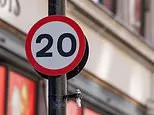
Birmingham City Council is aiming to make Birmingham the first city in England to adopt a 20mph speed limit as standard across all residential and local roads, forming part of a wider Birmingham Transport Plan intended to transform the city's transport network by 2031. The Liberal Democrat, Green and independent-led council says the move would reduce the dominance of cars on streets near homes and schools, encourage walking and cycling, and support regeneration and economic growth in local centres, though it has drawn strong criticism from Reform UK, whose councillors describe it as an "anti-motorist" measure that will make navigating the city harder.
Under the plan, all roads below A-road status would have their limit reduced to 20mph, while a 30mph limit would be retained on strategic and distributor routes; city centre access for private cars would also be curtailed in favour of pedestrian, cycling and public transport routes. The proposals come despite Department for Transport guidance from June stating that 20mph limits "should only be used where they are appropriate and supported by evidence", and follow RAC data showing that the number of drivers caught speeding in 20mph zones nationally rose 235 per cent in two years, from 37,219 in 2023 to 125,133 last year. The council maintains that international evidence shows slower speeds reduce collisions and injuries, while Reform UK's Jex Parkin argues 20mph should be applied only where there is a genuine safety need rather than as a blanket default.
- Birmingham Council plans 20mph as default limit on most roads by 2031
- Reform UK opposition calls the plan "anti-motorist" and unwelcome
- Comes as speeding fines in 20mph zones nationally rose 235% in two years
New here? Start with this
Speed limits set the maximum speed for vehicles on different roads. Birmingham’s transport plan covers the city’s roads and travel network through 2031, including proposals to change which streets prioritise cars, walking, cycling and public transport.
Birmingham City Council says lower limits on residential and local roads could reduce collisions and injuries and make streets more inviting for walking and cycling. Reform UK councillors argue that a broad 20mph default could make journeys harder and should be reserved for roads with a clear safety need.
The debate matters because it concerns how people travel around the city and how street space is used near homes, schools and local centres. National guidance says 20mph limits should be used where they are appropriate and supported by evidence, so the council’s approach also raises questions about how such limits are chosen and observed.
Both sides, in good faith
The strongest fair case each way — we don't pick a winner.
The case for
Substantial international evidence demonstrates that reduced speed limits significantly lower collision severity and fatalities, particularly for vulnerable road users including children and cyclists. Beyond immediate safety gains, slower speeds encourage walking and cycling, revitalise local town centres, and support public health and environmental objectives. This approach reflects a values-based choice to prioritise livable, connected neighbourhoods where people feel safe to use streets freely.
The case against
Blanket 20mph limits applied without individual safety justification are disproportionate and impractical. Department for Transport guidance appropriately recommends targeting such limits only to roads where evidence of genuine safety need exists; data showing a 235 per cent rise in speeding offences suggests enforcement will prove difficult and costly. Such universal measures unnecessarily burden drivers and hinder deliveries and essential services without concentrating interventions where collision risks actually warrant action.