‘Black community-only’ days and bans for non-German speakers: How swimming pools have become Germany’s new cultural battlegrounds
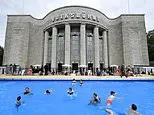
German swimming pools have become a flashpoint in wider debates over integration and multiculturalism, with reports of some venues introducing "Black community-only" swimming sessions alongside separate rules barring visitors who cannot speak German. The developments have stirred controversy, with critics arguing that such measures amount to segregation or exclusion, while supporters frame them as responses to safety concerns, harassment incidents, or efforts to create comfortable spaces for specific communities.
The practices reportedly vary by municipality and pool operator, reflecting a patchwork of local responses to tensions that have emerged around who uses public swimming facilities and how. The dispute taps into broader, long-running arguments in Germany over immigration, cultural integration and public space, with swimming pools becoming an unlikely but recurring battleground for these debates in recent years.
In short
- German pools introduce "Black community-only" sessions and non-German-speaker bans
- Measures spark controversy over segregation versus safety and inclusion
- Reflects wider German debates on immigration and cultural integration
Steelman: both sides, in good faith
The strongest fair case each way — we don't pick a winner.
The case for
Supporters argue that pool operators are responding pragmatically to real, documented problems: incidents of harassment or unsafe behaviour that specific groups have experienced, and difficulties running safety briefings or emergency instructions when visitors cannot understand German. From this view, targeted sessions or language requirements are proportionate, temporary measures to restore trust and safety, similar in spirit to women-only swim times that many societies already accept, and they can be judged by whether they demonstrably reduce incidents and help newcomers integrate over time.
The case against
Critics, including many committed to racial equality and integration, argue that formally separating swimmers by race or excluding people for not speaking German sits uneasily with principles of equal public access and risks normalising segregation in a country acutely conscious of that history. They contend that safety and language barriers are real but should be addressed through better staffing, translated signage, lifeguard training or community outreach, rather than by restricting access, since exclusionary rules – even well-intentioned ones – can entrench division and stigma rather than build the shared trust that genuine integration requires.
Explained simply
German public pools have become an unexpected flashpoint in the country's long-running arguments over immigration and integration. Reports have surfaced of some venues running swimming sessions reserved for the Black community, alongside separate rules at other pools that turn away visitors who cannot speak German. Both practices have prompted sharp disagreement about what they represent and why they exist.
Supporters of these measures say they respond to real problems, such as harassment or safety concerns, or aim to give particular communities a space where they feel comfortable. Critics counter that separating people by race or language amounts to exclusion or segregation, and worry about the precedent this sets for shared public spaces. There is no single national policy behind any of this: rules differ from one town and pool operator to the next.
The wider significance is that swimming pools, ordinarily an unremarkable part of local life, have become a proxy for bigger unresolved questions in Germany about multiculturalism, who public facilities are for, and how far accommodations for specific groups should go. That is why a seemingly local, small-scale issue has drawn national attention and debate.