Video games news, releases, esports and culture — all the biggest gaming stories in one place.
Black Flag Resynced is missing iconic combat mechanics simply because they were ‘lower priority’
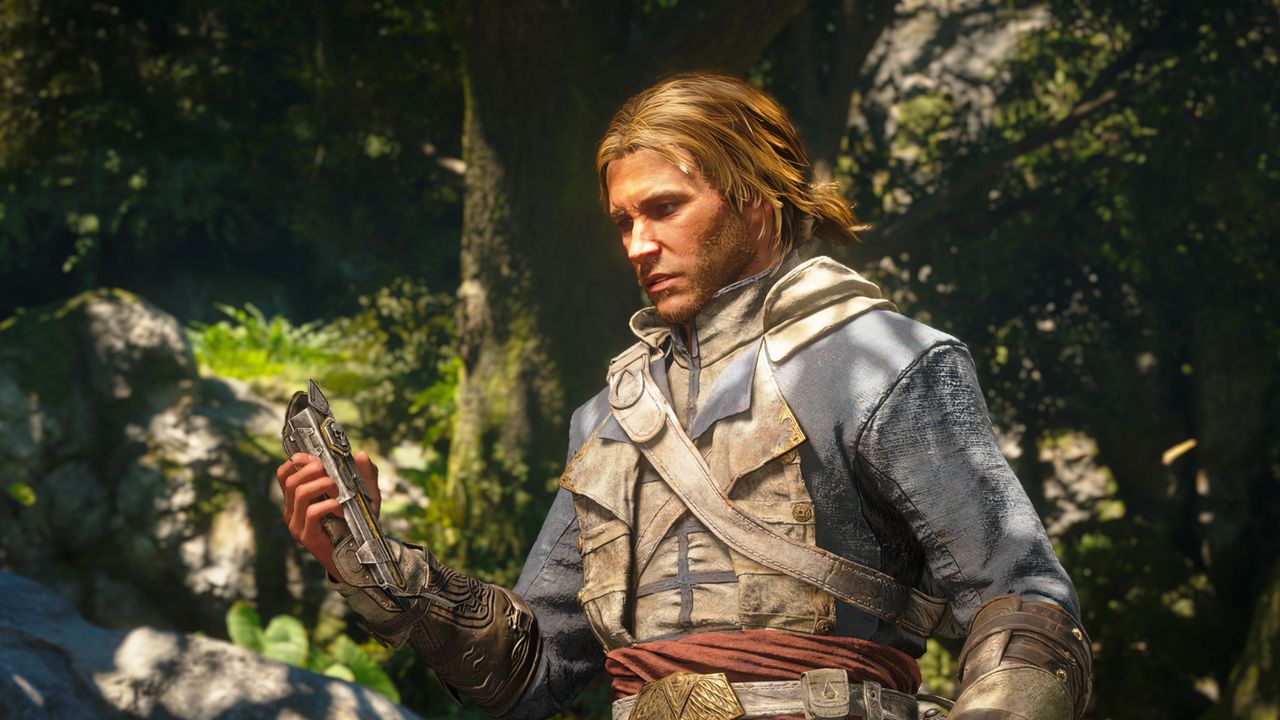
PC Gamer reports that *Black Flag Resynced*, a fan-made remake or recreation project tied to *Assassin’s Creed IV: Black Flag*, does not include some of the original game’s well-known combat mechanics. According to the article, the reason was not a technical impossibility or design rejection, but that those features were treated as a lower development priority. That matters because players often judge revival projects on how faithfully they preserve the feel of the original, and combat is a central part of *Black Flag*’s identity.
The key point is the project team’s apparent prioritisation choice: some iconic mechanics were left out while attention and resources went elsewhere. PC Gamer frames this as a notable omission because fans are likely to expect familiar systems from the 2013 game to return in any modern reworking. The article, based on the material provided here, centres less on controversy than on a practical explanation for why the missing features have not been implemented.
In short
- Missing combat features were reportedly deprioritised
- Faithfulness to the original is a key concern
- The omission reflects development priorities, not impossibility
Explained simply
Black Flag Resynced is a fan-made recreation of Assassin's Creed IV: Black Flag, the 2013 pirate-themed adventure game. Developed by fans rather than the original publisher, Ubisoft, such projects often aim to preserve classic games for modern players or reimagine them in new ways.
Combat is fundamental to the Black Flag experience. The original 2013 game features distinctive fighting mechanics that players interact with throughout their journey, making them a recognisable part of what defines the game.
Fan-made remakes are typically judged by how closely they recreate the original game's experience. When a recreation omits key mechanics like the combat systems, it significantly affects whether players feel they are playing the same game they remember. This makes decisions about which features to include especially important in projects with limited development resources.