New releases, music videos and album news — indie, rap, rock and pop. Always covering Ren, Chris Webby, Sam Tompkins, bbno$, CHINCHILLA, Muse, Yungblud and more.
Black magick in Kensington: When Jimmy Page opened an occultist book shop in 1973
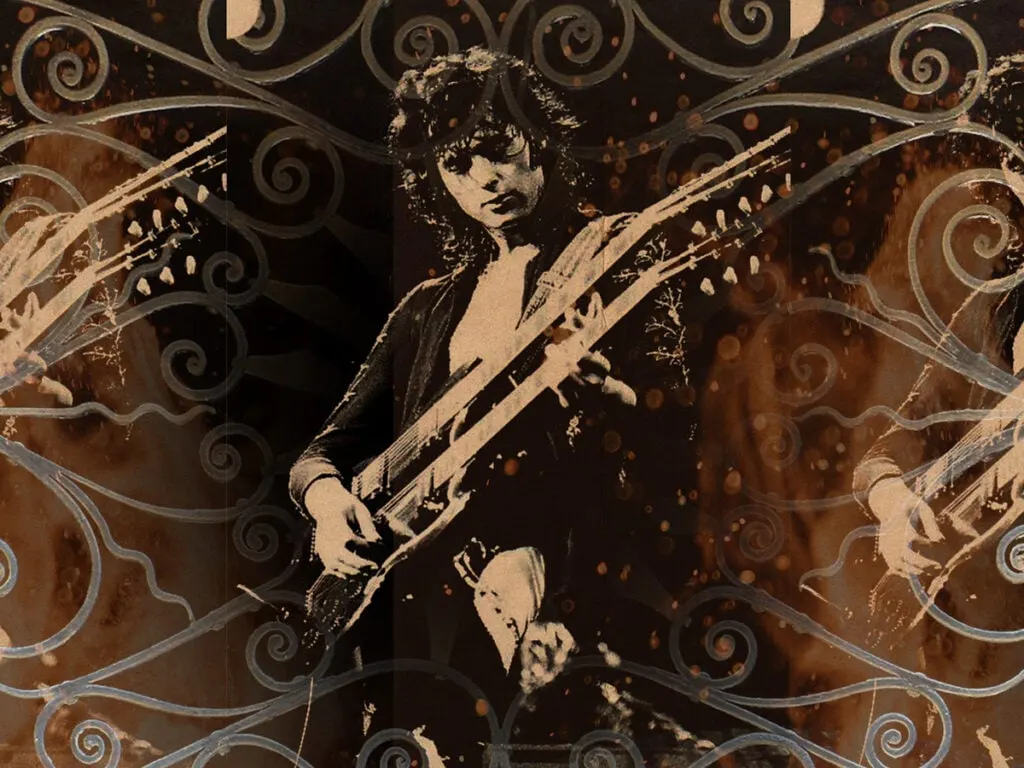
Jimmy Page's fascination with the occult, particularly the ceremonial magick philosophy of Aleister Crowley, shaped much of Led Zeppelin's mythology and imagery, from the sigils and Tarot symbolism on Led Zeppelin IV to esoteric lyrical themes across the band's catalogue. This interest went beyond artistic influence: in the early 1970s, flush with fame and money, Page opened a dedicated occult bookshop in London, reflecting a personal devotion to Crowley's ideas that he has continued to defend in interviews as a philosophy of liberation rather than mere theatrics.
Page first encountered Crowley's writings, including Magick in Theory and Practice, as a 15-year-old schoolboy, and the influence stayed with him into adulthood. In 1973 he opened The Equinox Booksellers and Publishers on Holland Street in Kensington, decorated with Egyptian motifs and Crowley's birth chart, partly out of frustration that London had no dedicated occult bookshop. The shop published works including a facsimile of Crowley's The Goetia before closing in 1979; Page also bought Crowley's former home, Boleskine House in Scotland, in 1970, selling it in 1992, and appeared in Kenneth Anger's 1972 film Lucifer Rising.
In short
- Jimmy Page ran an occult bookshop, The Equinox, in Kensington from 1973-79.
- His interest in Aleister Crowley shaped Led Zeppelin's imagery and lyrics.
- Page also owned Crowley's former home, Boleskine House, from 1970-92.
Explained simply
Black magick in Kensington deals with an episode from Jimmy Page's life away from Led Zeppelin's music, focused on a bookshop the guitarist opened in the Kensington area of London in 1973. Page was known during this period for a deep personal interest in the occult, and the shop is presented as an expression of that interest.
The article looks at how this venture fits into the wider picture of Page's fascination with esoteric and occult subjects, an aspect of his public image that ran alongside his career as a rock musician. It matters as a lesser-known chapter in the history of one of rock's most prominent figures, showing how his private interests occasionally spilled into public ventures.