Entertainment news and discussion on TalkFuse.
Black Myth: Zhong Kui’s 15-minute gameplay reveal shows off confident swordplay, boss fights with oyster men, and the coolest skeletons I’ve ever seen
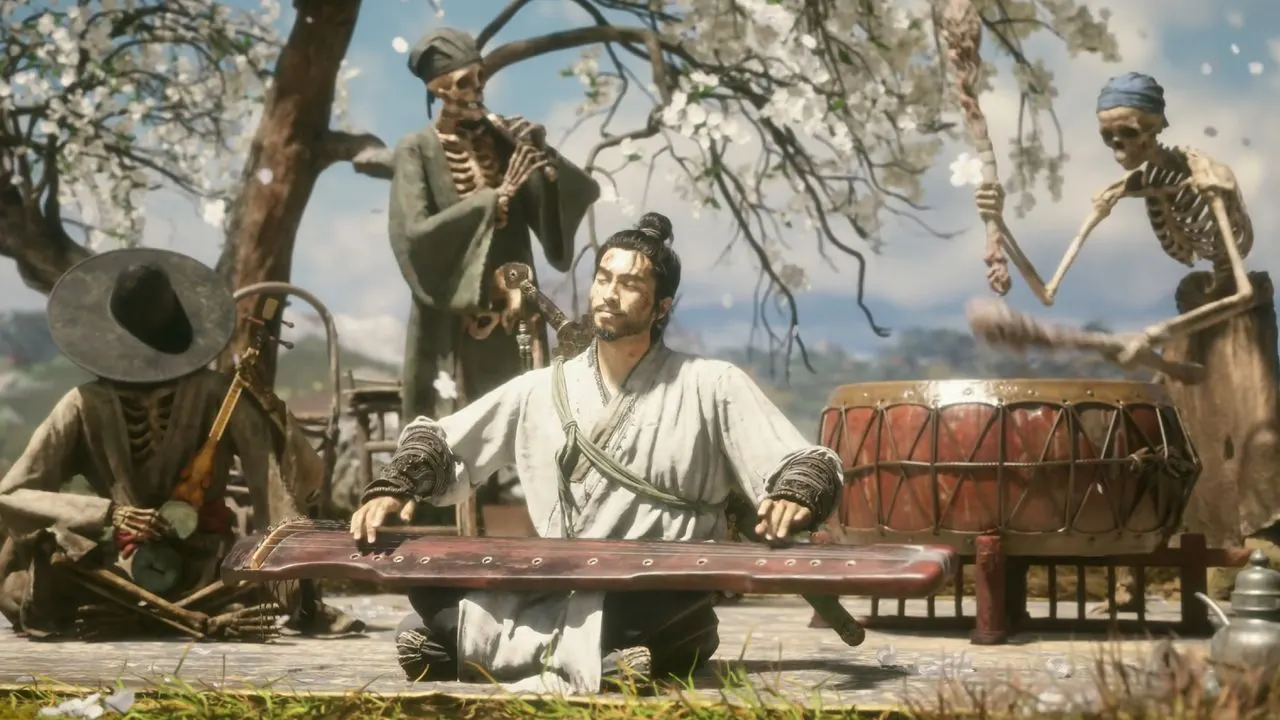
Game Science has released a 15-minute gameplay reveal for Black Myth: Zhong Kui, its follow-up to the acclaimed action RPG Black Myth: Wukong. The footage showcases fluid, confident sword-based combat alongside boss encounters, including a fight against oyster-like enemies, continuing the studio's tradition of drawing on Chinese mythology for its creature and character designs. The reveal builds anticipation for the project by demonstrating a clear evolution in combat feel and visual style following Wukong's success.
The gameplay clip highlights the game's swordplay mechanics, varied enemy design and detailed skeletal creature models, which have drawn particular praise for their visual craftsmanship. As with Black Myth: Wukong, the new title appears rooted in East Asian folklore, this time centring on the deity Zhong Kui, a demon-queller figure from Chinese mythology, suggesting a distinct thematic identity from its predecessor while retaining the studio's action-focused combat approach.
In short
- Game Science shows 15 minutes of Black Myth: Zhong Kui gameplay.
- Footage features sword combat and an oyster-enemy boss fight.
- Detailed skeleton designs and mythology-inspired visuals draw praise.
Explained simply
Black Myth: Zhong Kui is an upcoming action role-playing game from Chinese studio Game Science. It follows Black Myth: Wukong, which drew wide attention for its action combat and use of Chinese mythology.
The new game centres on Zhong Kui, a figure in Chinese folklore known for driving away demons. That gives it a different mythological focus from Wukong, whose story drew on the classic Chinese novel Journey to the West.
Game Science’s games pair fast-paced combat with enemies and characters inspired by folklore. Their designs offer one way for players unfamiliar with these stories to encounter figures from Chinese mythology.