World news and discussion on TalkFuse.
Block the Merger Coalition Asks Court to Reject Paramount’s Settlement With States Over Warner Bros. Deal
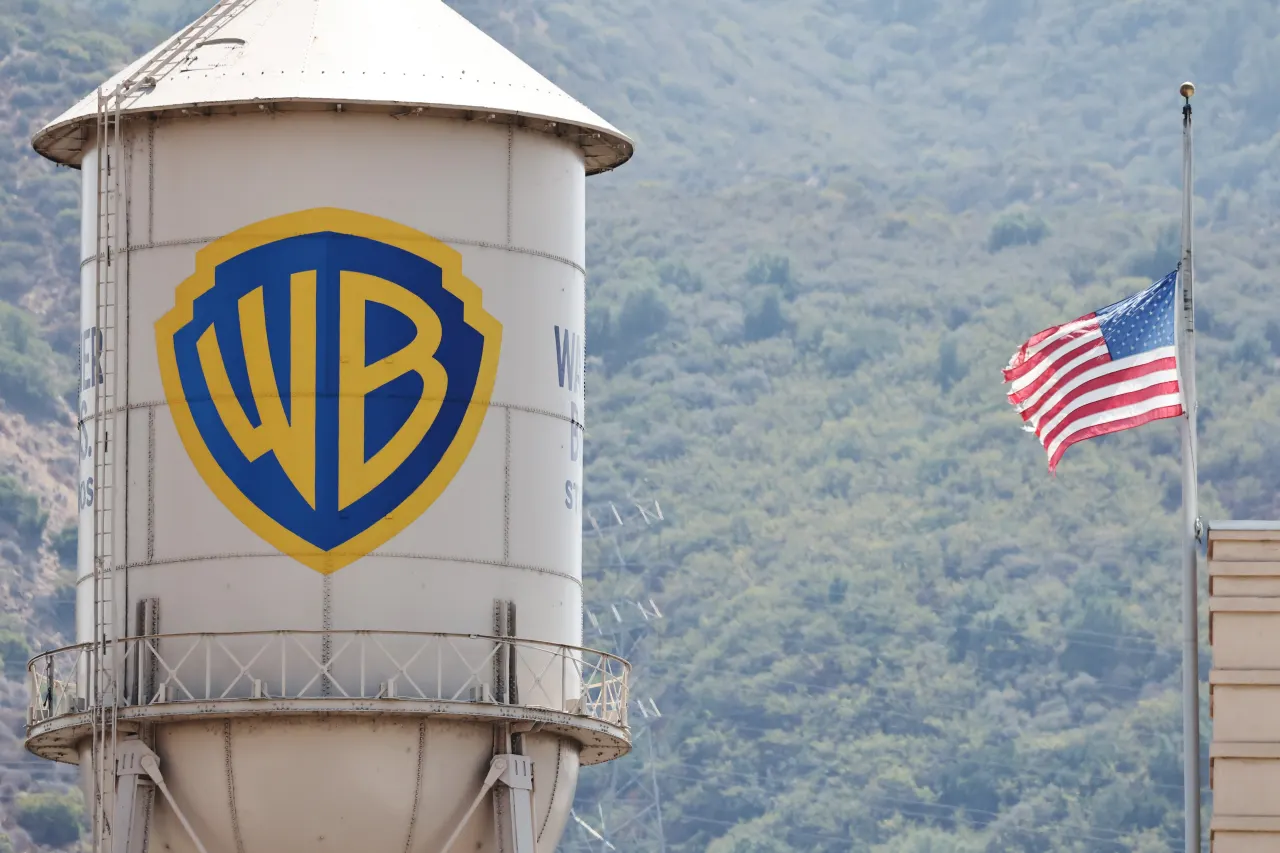
A coalition of media, press and film organisations has asked a federal California court to reject Paramount Skydance’s settlement with 12 state attorneys general over its proposed merger with Warner Bros. Discovery. The groups argue that the agreement does not adequately address potential damage to competition, creative industries and independent journalism, and say the court should scrutinise the deal on behalf of the public.
The Block the Merger coalition filed its amicus brief after Judge Araceli Martínez-Olguín allowed interested parties to submit arguments by 12:01 a.m. Pacific time on 25 September. The filing was backed by Free Press, the Committee for the First Amendment, the Freedom of the Press Foundation, the Future Film Coalition and the International Documentary Association; LULAC also filed separately against the settlement. The groups highlighted California Attorney General Rob Bonta’s earlier criticism of the merger before the states reached their agreement.
In short
- Media groups oppose Paramount’s settlement over the Warner Bros. merger.
- They say it fails to protect competition and independent journalism.
- LULAC has also filed against the agreement.
Steelman: both sides, in good faith
The strongest fair case each way — we don't pick a winner.
The case for
Media consolidation poses genuine risks to competition, journalistic independence and creative opportunity. The coalition argues that Paramount-Skydance's settlement with state attorneys general does not adequately address these harms, citing California's own attorney general having previously criticised the deal. Courts have a responsibility to scrutinise agreements on behalf of the broader public rather than merely accept what negotiating parties present; failing to do so risks enabling a merger that substantially reduces media plurality and harms independent journalists and filmmakers.
The case against
The settlement represents a negotiated compromise reached by state attorneys general who have both legal standing and responsibility to protect competition and the public interest in their states. Agreements struck through good-faith negotiation deserve judicial respect unless there is clear evidence of inadequacy or unfairness. Rejecting negotiated settlements invites endless litigation, undermines incentives to reach compromise, and substitutes judges' views for those of elected representatives. The attorneys general presumably believed this settlement adequately protected consumers and competition; courts should defer to that expertise rather than second-guess negotiated outcomes.
Explained simply
Paramount Skydance and Warner Bros. Discovery are large media companies with businesses spanning film, television and news. Their proposed merger would bring parts of those businesses under common ownership, raising questions about how much competition would remain and how the change could affect people who make and distribute media.
A settlement is an agreement intended to resolve a legal dispute. Here, Paramount Skydance reached one with 12 state attorneys general, while a coalition of media, press and film organisations has asked the court to reject it. An amicus brief lets people or groups outside a case offer the court their views.
The case matters because media ownership can affect the choices available to audiences and the opportunities open to filmmakers, journalists and independent outlets. The court’s review will consider arguments about the proposed deal and the settlement’s response to concerns raised by the states.
Americas Art Business Companies Culture Research Science World