Business news and discussion on TalkFuse.
Block The Merger Coalition Releases New Video Urging “No Concessions” On Paramount-WBD
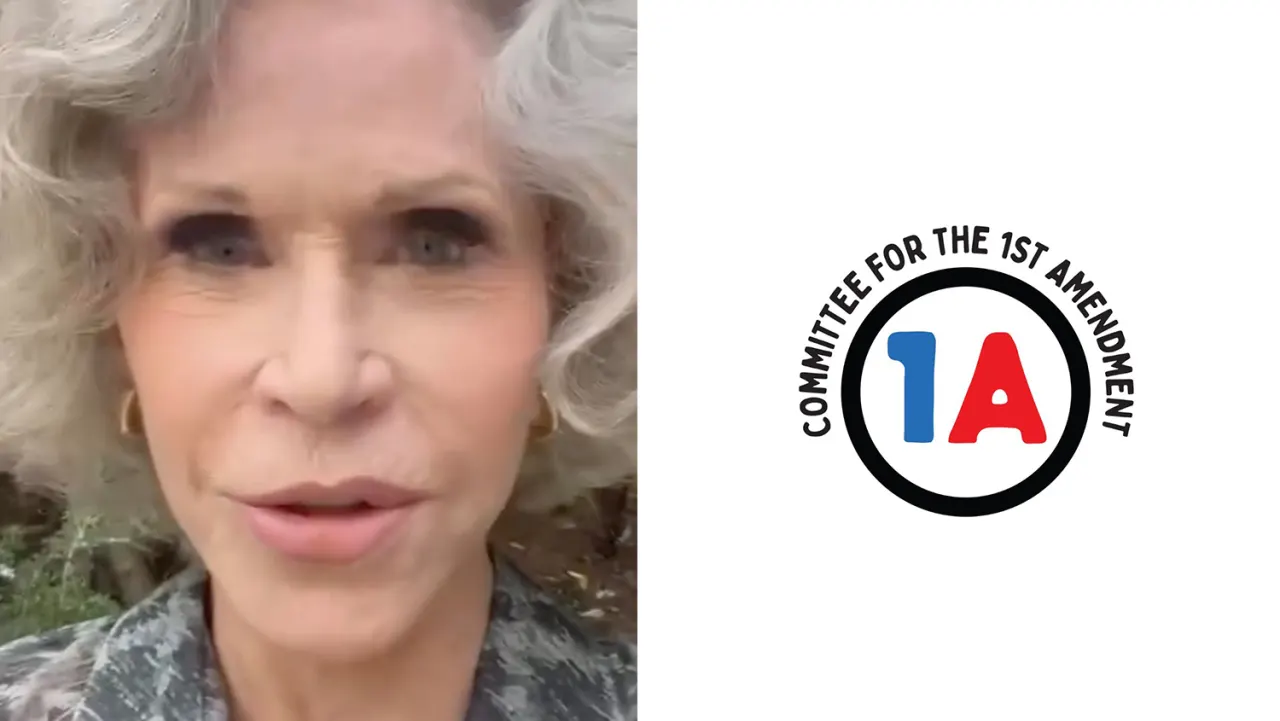
A coalition of Hollywood figures, including Hannah Einbinder, Bradley Whitford and Jane Fonda, has released a video urging the 12 State Attorneys General suing over the proposed Paramount–Warner Bros. Discovery merger not to accept any concessions and to let the case proceed to trial. The video, produced by the Committee for the First Amendment and partners for the Block the Merger Coalition, comes as pressure mounts on lead plaintiff California Attorney General Rob Bonta from politicians, industry figures and some guilds to settle, and after Bonta cancelled planned talks with Paramount last week, accusing the company of leaking information—an allegation Paramount denies.
The coalition argues that corporate promises made to secure merger approval are often broken, citing the Live Nation-Ticketmaster and Charter-Time Warner Cable deals as examples, and insists Bonta should demand enforceable structural changes rather than assurances. Paramount said last week, for the first time, that it was open to discussing structural changes. The "No Concessions" campaign has gathered over 5,600 signatures from industry figures and delivered 171,000 signed petitions to Bonta's office, while the Writers Guild of America has filed a joint lawsuit alongside the AGs. The antitrust trial is scheduled to begin on 2 March, with the next hearing set for 25 September.
In short
- Hollywood coalition releases video opposing Paramount-WBD merger concessions
- Urges 12 State AGs, led by Rob Bonta, to reject settlement talks
- Antitrust trial set to begin 2 March; next hearing 25 September
Steelman: both sides, in good faith
The strongest fair case each way — we don't pick a winner.
The case for
The coalition’s case is that a merger could concentrate control over major studios and distribution, with lasting effects on competition, workers and creative independence. Given its examples of past corporate promises allegedly not being kept, it argues that voluntary assurances may be inadequate and that the attorneys general should seek enforceable structural changes or let a court decide the case.
The case against
A reasonable case for considering concessions is that enforceable conditions could address competition concerns while avoiding the uncertainty, cost and delay of a trial. Paramount’s stated openness to structural changes may create an opportunity to secure protections through negotiation, and settling could preserve options for workers and the industry that might be lost if the merger is blocked outright.
Explained simply
Paramount is a major film and television company, while Warner Bros. Discovery owns film studios, television channels and streaming services. Their proposed merger would bring the businesses under common ownership, and has prompted concerns about how it could affect competition in the entertainment industry.
Twelve US state attorneys general, led by California Attorney General Rob Bonta, are suing to stop the deal. The case is part of a wider debate over whether a merger should be allowed with conditions attached, such as promises to change how a company operates, or whether stronger changes to its structure are needed.
The Committee for the First Amendment and other industry groups have formed the Block the Merger Coalition. Actors, writers and other Hollywood figures are among those pressing the state officials to continue the court case, while other voices have urged them to consider a settlement.
Business Companies Entertainment Film Research Science