Politics news and discussion on TalkFuse.
Blow for Burnham as poll shows three in four voters say flagship VAT cut won’t help them pay the bills
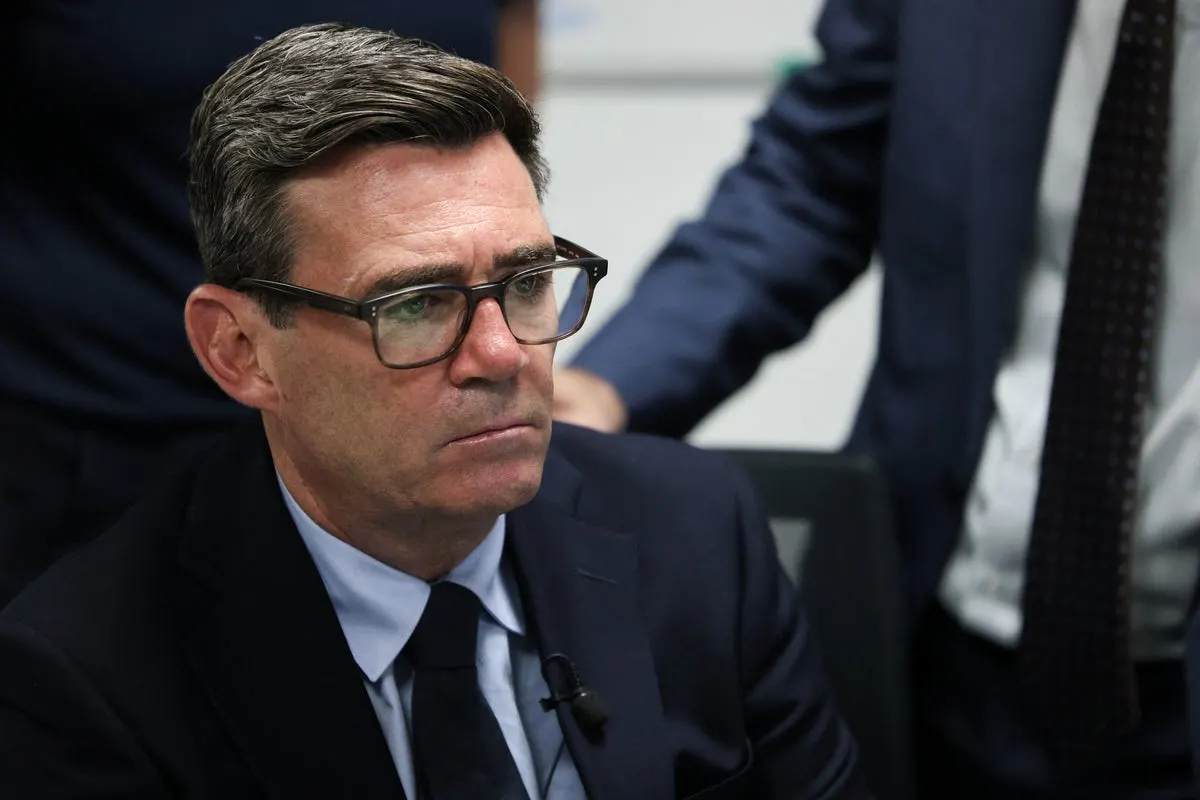
A new poll suggests most Britons are sceptical that Andy Burnham's flagship decision to scrap VAT on household electricity bills will meaningfully ease living costs, dealing a blow to the prime minister's first major policy. The measure, announced with fanfare on his second day in office, is intended to signal that his government is prioritising household finances, but the survey suggests the public is unconvinced it will make a tangible difference.
The Opinium poll of 2,050 UK adults, conducted between 29 and 31 July, found 72 per cent think the £850m tax cut will do little or nothing to help their finances, even though it is expected to save households around £45 a year from October. Support varied sharply by age, with 39 per cent of younger people optimistic it would help, falling to 24 per cent among 35 to 49-year-olds and just 6 per cent among over-50s. By contrast, 52 per cent said unfreezing the frozen £12,570 tax-free personal allowance would leave them better off, an option Burnham has not ruled out for October's Budget despite warnings from the Institute for Fiscal Studies that it could cost £8.5-9bn a year.
In short
- Poll: 72% say Burnham's VAT cut on electricity bills won't help finances
- £45-a-year saving seen as insufficient, especially by over-50s
- 52% instead back unfreezing the frozen personal tax allowance
Steelman: both sides, in good faith
The strongest fair case each way — we don't pick a winner.
The case for
The VAT cut provides immediate, universal relief that requires no bureaucratic assessment—every household saves £45 annually automatically, which matters most for those on the tightest budgets where that sum represents meaningful disposable income. Rather than delaying action with complex means-testing, the government acted swiftly to demonstrate commitment to living standards, and the policy's simplicity ensures no one falls through cracks through lack of awareness or eligibility confusion.
The case against
The polling evidence itself demonstrates the policy's fundamental inadequacy—72% of voters rightly recognise that £45 annually scarcely dents genuine struggles with heating and electricity costs that many families face, particularly pensioners where only 6% believe it will help. The government's resources would address living costs far more effectively through measures like unfreezing the personal allowance, which 52% of voters identify as genuinely transformative, rather than a largely symbolic gesture that fails to meet the scale of households' actual needs.
Explained simply
Value added tax, or VAT, is a tax added to many goods and services. Household electricity bills currently include VAT, and removing it is intended to reduce what people pay for power. The expected saving is about £45 a year for a typical household.
Andy Burnham is the prime minister, and the VAT change is an early policy of his government. Another tax issue is the personal allowance: the amount someone can earn before paying income tax, currently £12,570. It has been frozen, so rising pay can push more people into paying tax or increase the amount they owe.
The government can review tax policy in its Budget, a statement setting out plans for taxes and public spending. Changing the personal allowance could leave some people with more take-home pay, but would reduce tax revenue; the Institute for Fiscal Studies has estimated a substantial annual cost.