David Attenborough’s Blue Planet III celebrates marine life and new discoveries
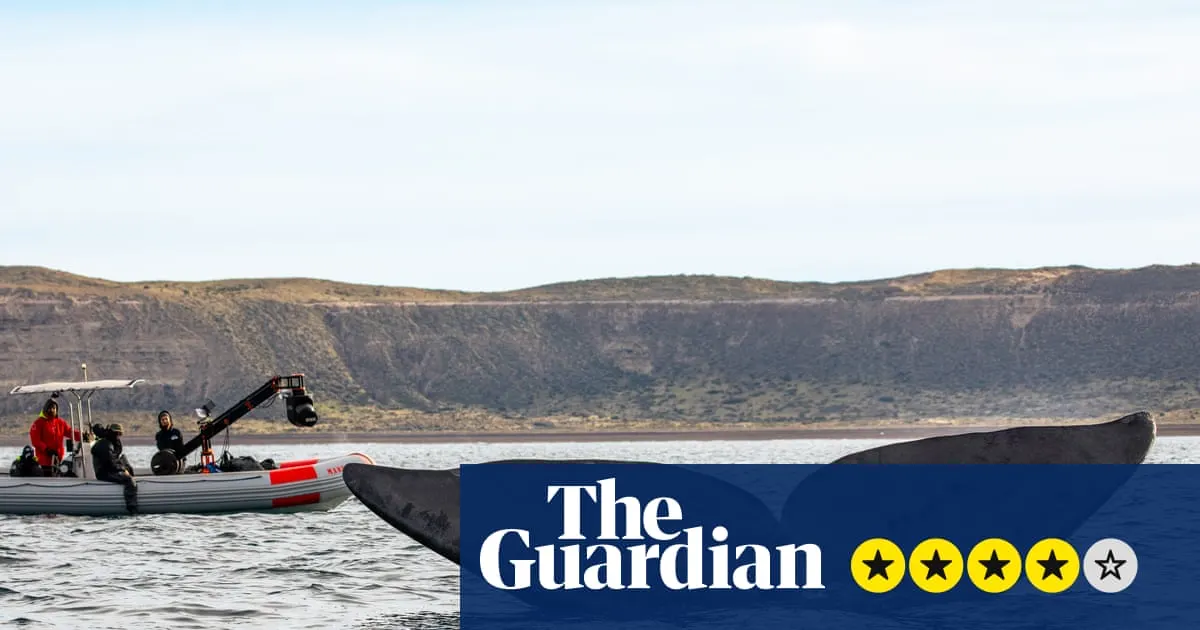
Blue Planet III returns as David Attenborough’s latest major wildlife series, offering a vivid look at marine life and a measure of hope amid growing environmental concern. The review argues that the programme succeeds by celebrating new discoveries and familiar natural history storytelling, without needing to match the cultural impact of earlier instalments.
The first episode follows dolphins using sea sponges, sharks co-operating to herd fish, and a turtle escaping a shark by turning towards shallow water. It also finds comic moments in harlequin shrimp and fiddler crabs, before showing a clownfish caring for an anemone threatened by a heatwave. The article ends mid-sentence, so it provides no further detail about that sequence.
In short
- David Attenborough’s Blue Planet III brings fresh marine discoveries.
- Sharks, dolphins and a turtle feature in the opening episode.
- The series balances comedy and spectacle with climate concerns.
Explained simply
Blue Planet is the BBC’s wildlife series about life in the world’s oceans, narrated by David Attenborough. Earlier instalments introduced viewers to marine habitats and animal behaviour, combining underwater filming with explanations of how species live and interact.
The new series focuses on what researchers and film-makers are discovering about sea creatures, from dolphins and sharks to crabs and turtles. These stories offer a window into the variety of marine life and the environmental pressures it faces, including rising sea temperatures.
Americas Business Culture Markets World
Read the full article at the source →
Originally published by The Guardian as “Blue Planet III review – David Attenborough makes another absolute corker”.