Politics news and discussion on TalkFuse.
Blue wave meets ballot box surprises as voters split on abortion, voter ID and billionaire taxes
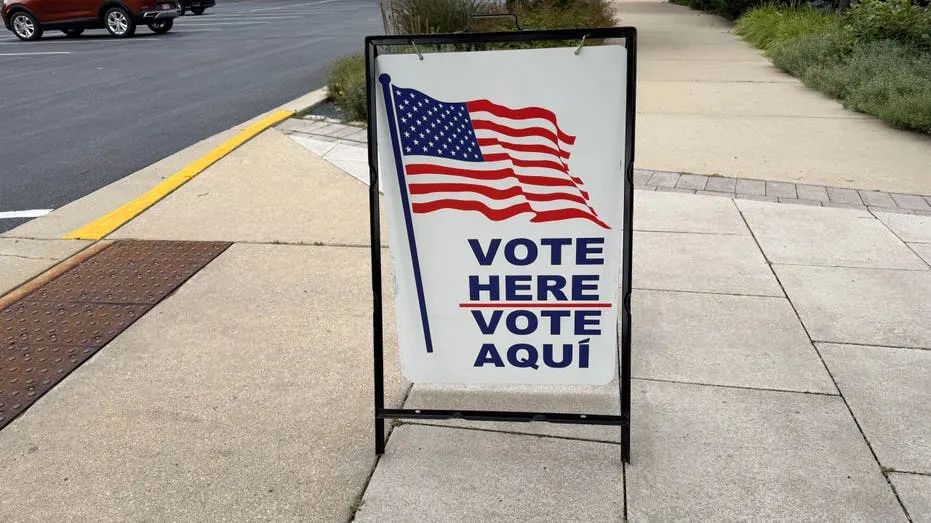
Democrats’ strong performance in the midterms overshadowed several state ballot decisions that revealed voters’ mixed views on voting rules, language and abortion. The results show that state-level policy choices did not always follow the same political pattern as the wider election.
Voters approved constitutional voter ID measures in North Carolina, Ohio and Nevada. North Carolina’s amendment passed 59.6% to 40.3%, expanding photo ID requirements to all forms of voting; Ohio’s Issue 3 passed 65.3% to 34.6%, while Nevada’s Question 7 passed 62.1% to 37.8%, creating the state’s first voter ID requirement. Idaho voters also made English the state’s official language by 63.1% to 36.8%, but rejected Proposition 1, which would have protected abortion access before fetal viability and in later medical emergencies, by 55.9% to 44.0%.
In short
- Three states approved voter ID measures.
- Idaho made English its official language.
- Idaho voters rejected an abortion rights proposal.
Steelman: both sides, in good faith
The strongest fair case each way — we don't pick a winner.
The case for
Supporters of voter ID rules argue that requiring identification can strengthen confidence in elections and provide a clear, consistent way to verify voters. Supporters of making English Idaho’s official language may see it as promoting a shared civic framework, while opponents of Proposition 1 may believe abortion rules should be set through existing law or democratic processes rather than constitutional protection.
The case against
Critics of voter ID rules argue that they can burden eligible voters who lack accepted identification, without clear evidence that widespread in-person fraud warrants the restrictions. Opponents of making English Idaho’s official language may worry it could disadvantage residents who use other languages, while supporters of Proposition 1 may argue that constitutional protection is needed to preserve access to abortion before viability and during serious medical emergencies.
Explained simply
US midterm elections include state ballot measures, which let voters decide on proposed changes to state law or constitutions. These choices can produce a different pattern from the results of races for Congress or governor.
Voter ID rules set what identification people must show to vote, while an official-language measure gives a language a formal status in state government. Abortion measures can set legal protections or restrictions, including when during pregnancy abortion is allowed.
The decisions in each state affect its own laws, so voters in different states may make different choices on the same issues. This matters because states have substantial power over election rules, language policy and abortion access.