Entertainment news and discussion on TalkFuse.
Bob Weir heard one album side and wondered if he could ever match it. Decades later, he was still trying
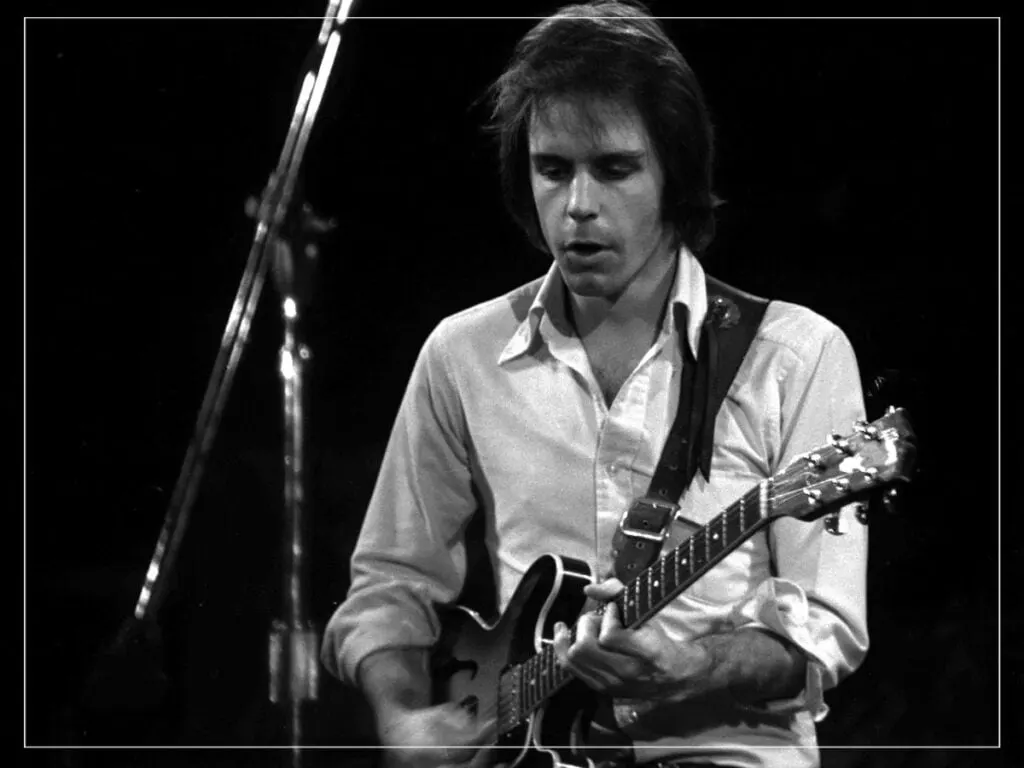
Bob Weir said the Beatles’ Abbey Road medley taught him how far rock songwriting could go, and left him wondering whether he could create something equally adventurous. The example mattered to his work with the Grateful Dead, whose performances often shifted through extended musical passages rather than following the concise, hook-led structure common in rock.
The article focuses on the album’s second side, a roughly 16-minute sequence that links several songs, changes direction and ends with Paul McCartney’s line, “The love you take is equal to the love you make”. Weir later called the medley “enormously instructional” and said he was still working towards something like it. The article also connects the Beatles’ approach with the long-form pieces that became prominent in progressive rock, including work by Yes and Genesis.
In short
- Abbey Road’s second side shaped Bob Weir’s ideas about songwriting.
- Its 16-minute medley flows through several songs and musical turns.
- Weir said decades later he was still trying to match its ambition.
Explained simply
The Beatles’ Abbey Road is a 1969 album whose second side joins several short songs into one continuous sequence, moving between different melodies and moods. The medley ends with a line about love given and received, and showed how separate song ideas could form a larger musical work.
Bob Weir was a guitarist and singer in the Grateful Dead, a band known for performances that could stretch well beyond a song’s usual length. The Beatles’ medley gave Weir an example of how rock music could take a more ambitious, connected form, an idea also explored by progressive rock bands such as Yes and Genesis.