BOBBY BURACK: Online hate is winning, from Pat McAfee to everyday Americans and young children
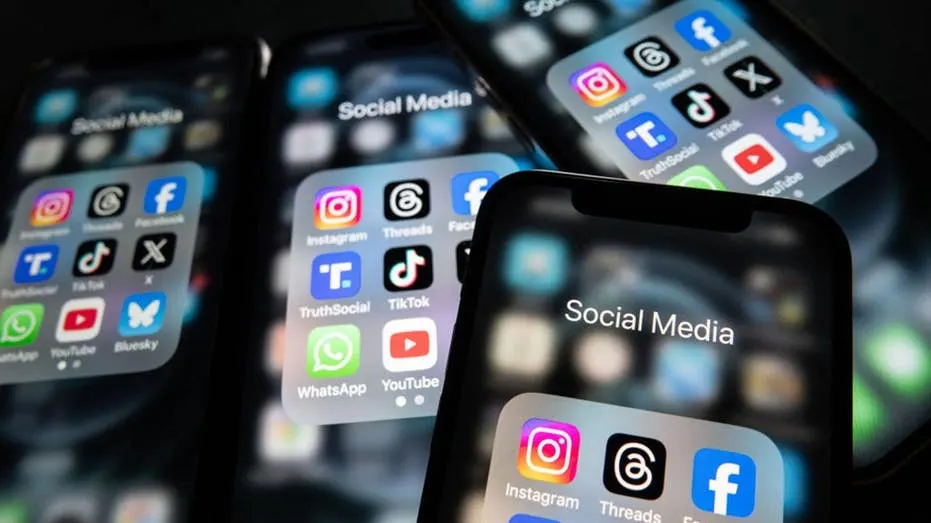
The article argues that online abuse has become a widespread problem, affecting public figures, ordinary users and young people, and can cause measurable distress. It cites ESPN commentator Pat McAfee’s account of receiving threats and says sports injury analyst Jesse Morse left his X role because the abuse felt no longer worthwhile.
The article reports that University of Minnesota researchers found negative comments were nearly twice as common as positive ones. In a 2025 experiment with 128 adults, those exposed to negative comments had higher anxiety and lower pleasant mood scores than participants who saw neutral or positive comments; a separate meta-analysis found cyberbullied adolescents had 2.73 times the odds of depression. It also argues that online reactions are skewed towards negative content and may not represent public opinion, urging readers to limit exposure to abusive comments.
In short
- Online abuse can affect mental health across age groups.
- Negative comments were nearly twice as common as positive ones.
- The article says online reactions may not reflect wider public opinion.
Explained simply
Social media lets people share views directly with large audiences, including athletes, commentators and other public figures. The same platforms are also used by ordinary people and children, who may encounter hostile comments or targeted abuse.
Researchers have studied how online comments relate to people’s wellbeing. Studies cited in this debate report links between negative comments and anxiety or low mood, and between cyberbullying and depression among adolescents. Researchers also caution that visible reactions online may not reflect what most people think.