Business news and discussion on TalkFuse.
Body-worn cameras given to school crossing wardens
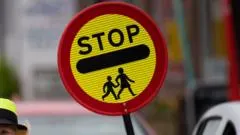
Sheffield City Council has issued body-worn cameras to school crossing patrol staff, known as lollipop men and women, in response to abuse and aggressive driving directed at them by some motorists. The council said the initiative, introduced at several unspecified locations across the city, aims to make journeys to school safer and give reassurance to staff who often work alone, particularly with the new academic year underway.
The council said wardens have faced "unacceptable behaviour" and dangerous driving from a small minority of drivers, and the cameras will record interactions to protect staff and provide evidence when incidents occur. Jefferson Nwokeoma, the authority's assistant director of city transport, said the devices would also encourage motorists to follow road rules. Drivers who fail to stop for a school crossing warden can face fines of up to £1,000 and three penalty points on their licence.
In short
- Sheffield gives lollipop wardens body cameras after driver abuse
- Aims to protect staff and gather evidence of incidents
- Drivers who ignore wardens risk £1,000 fine, three points
Steelman: both sides, in good faith
The strongest fair case each way — we don't pick a winner.
The case for
Advocates argue this is a proportionate, common-sense response to a real safety problem: crossing patrol staff, often working alone and exposed on busy roads, deserve protection from abuse and dangerous driving. Body-worn cameras can deter aggressive behaviour before it escalates, provide clear evidence to support prosecutions under existing penalties, and offer reassurance to a workforce that might otherwise be deterred from taking on or continuing in these vital roles. Supporters see it as a modest, targeted use of technology to safeguard people performing a public service for children's safety.
The case against
Others, while sympathetic to the wardens' plight, may question whether routine filming of ordinary motorists and passers-by is a proportionate response to the actions of a small minority, and worry about the precedent of expanding everyday surveillance into more public roles. They might argue the underlying problem is inadequate driver education or lax enforcement of existing rules, and that resources would be better spent on road safety campaigns, better signage, or a stronger police presence rather than equipment that records the public, including children, without their consent. There are also practical concerns about how footage is stored, who can access it, and whether cameras alone address the root causes of driver aggression.
Explained simply
School crossing patrol staff help children cross roads safely, usually by stepping into the road with a sign that tells traffic to stop. They are often called lollipop men and women because of the round signs they carry, and may work alone near busy schools.
Drivers are required to stop when a patrol worker signals them to do so. Failing to stop can lead to a fine and penalty points on a driving licence. Body-worn cameras are used to record events, and may provide evidence if a dispute or safety incident occurs.