Police bodycam captures Cornell fraternity member’s campus ban after assault allegation
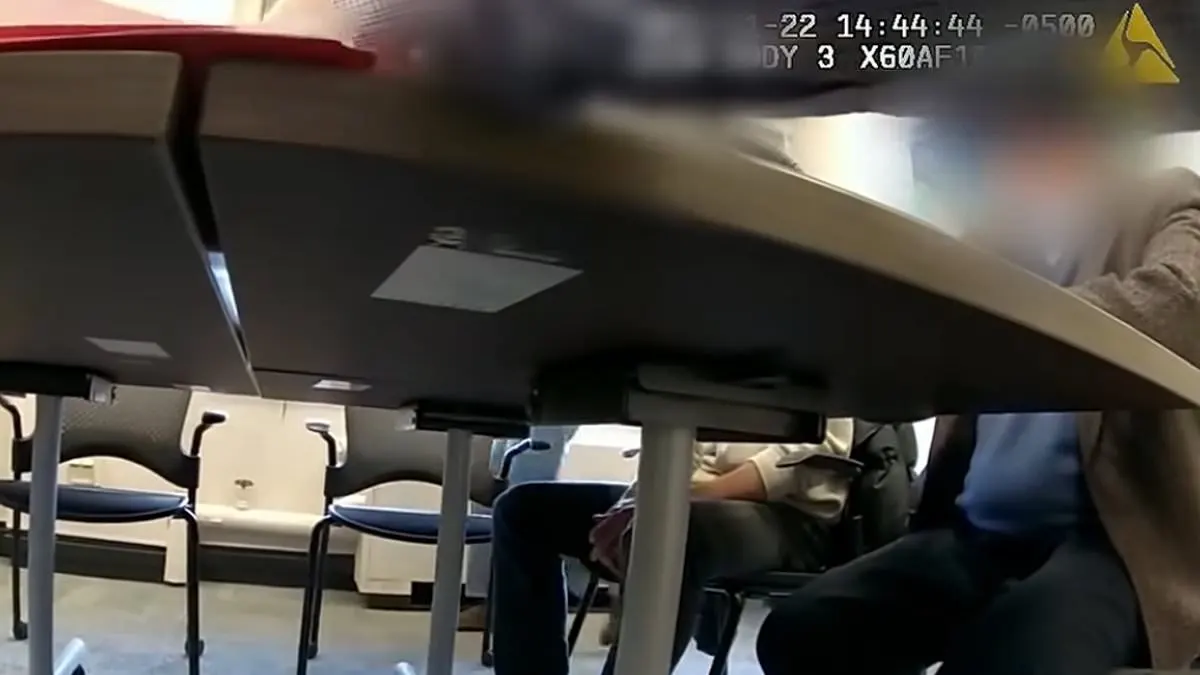
Newly released bodycam footage shows Cornell police informing a fraternity member, whose identity is obscured, that he was barred from university grounds after an investigation into an alleged sexual assault in October 2024. Audio released with the footage captures differing accounts from student Jane Doe and Chi Phi member Matthew Ingalls about the encounter, which is now the subject of a civil lawsuit.
Doe alleges that Ingalls and six other fraternity members sexually assaulted her at the fraternity house, and says she was heavily intoxicated, later needed emergency care and therapy, and could not recall all those present. Ingalls said she appeared sober and agreed to a threesome; Doe disputed his account. The lawsuit names Ingalls, Jonathan Newell, Winston Lee, Gillio Lopes, Diego Sarabia, Scott Norris and Scott Kretzschmar; none has been arrested or charged in connection with the allegations.
- Bodycam footage shows a Cornell student being barred from campus.
- Released audio records conflicting accounts of the alleged encounter.
- Jane Doe’s civil lawsuit names seven Chi Phi fraternity members.
New here? Start with this
A female student at Cornell University has filed a lawsuit against seven members of the Chi Phi fraternity, alleging she was sexually assaulted at their house in October 2024. The men she has named deny the allegation, and none has been arrested or charged. The student says she was heavily intoxicated, later required medical care and therapy, and cannot recall all those who were present.
One of the accused men, Matthew Ingalls, says the woman appeared sober and consented to a sexual encounter. This directly contradicts the student's account. These opposing versions of events are at the centre of the dispute.
Cornell University has banned one of the accused students from campus during its investigation. The case is proceeding through the courts as a civil lawsuit.
Both sides, in good faith
The strongest fair case each way — we don't pick a winner.
The case for
Universities have a statutory duty under Title IX to maintain a safe educational environment and respond to sexual assault allegations. When a student reports being assaulted by multiple people and requires emergency medical care, interim protective measures such as campus bans serve the legitimate purpose of preventing retaliation and intimidation whilst investigations proceed. These measures need not presume guilt but rather prioritise community safety and protection of vulnerable students during a critical period. Waiting for criminal charges or convictions effectively abandons many survivors, given the documented challenges in prosecuting sexual assault cases.
The case against
Imposing a campus ban based solely on an allegation, without criminal charges or adjudication of wrongdoing, violates principles of due process and presumption of innocence. The accused student faces exclusion from his education and campus community based on one account of events, whilst providing a contrary account and facing no criminal charges. Universities are educational institutions, not courts of law, and should not function as judge and jury in serious criminal matters; such authority properly belongs to law enforcement and the judicial system. Allowing administrators to impose restrictions before any investigation or adjudication risks grave injustice to innocent students and undermines institutional fairness and trust.
Read the full article at the source →
Originally published by Daily Mail as “Bodycam shows moment ‘Cornell 7’ student was banned from campus, as audio depicts expelled teen telling Jane Doe she was sober on night of alleged gang rape”.