Book vs clamshell foldable phones: which is better for your everyday needs?
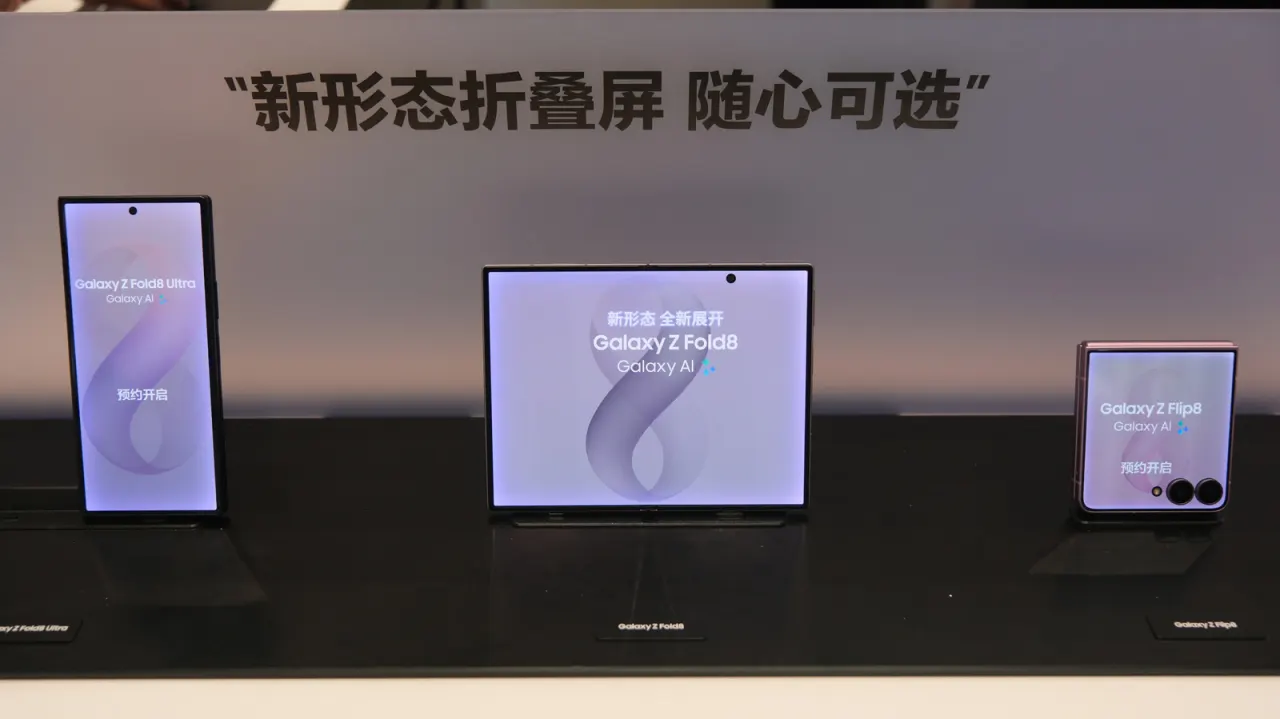
Clamshell and book-style foldable phones suit different everyday priorities, so neither is universally better. Clamshells focus on a compact design and quick access to information, while book-style models open into a larger screen for viewing content and working.
A clamshell’s outer display can show calls, messages and other details without opening the phone, and its smaller size makes it easier to use one-handed. Book-style phones are bulkier and may need more careful handling, but their tablet-sized screens support video, games and split-screen productivity. Both styles can use their outer and inner screens for features such as live translation and photo previews; research cited in the article suggests book-style shipments may overtake clamshells in 2026.
In short
- Clamshells are compact and convenient for quick checks.
- Book-style foldables offer a larger screen for media and work.
- The better choice depends on how you use your phone.
Steelman: both sides, in good faith
The strongest fair case each way — we don't pick a winner.
The case for
Clamshell foldables are a strong choice for people who value a compact phone that is easy to carry and use one-handed. Their outer screens offer quick access to calls and messages, while the option to unfold still provides a larger display when needed.
The case against
Book-style foldables suit people who prioritise screen space for video, games and split-screen work. Although they are bulkier and may require more careful handling, their tablet-sized displays can make demanding everyday tasks more comfortable.
Explained simply
Foldable phones have a flexible main screen that lets the device fold shut when it is not in use. The two common designs are clamshells, which fold into a compact shape, and book-style phones, which open like a book to reveal a larger screen.
Clamshell models are designed to be easy to carry and use for quick checks, while book-style models offer more screen space for watching video, playing games or using apps side by side. Both have an outer screen for some tasks when folded, and an inner screen for use when open.
The choice depends on how someone expects to use and carry their phone, as well as their preference for a compact device or a larger display. How popular each design becomes may also affect which models phone makers choose to develop.