Bookies fear budget hit but gaming machine self-harm killed off the old-fashioned shops
The article examines fears that an increase in Machine Games Duty could close many high-street betting shops and reduce the money flowing to British horse racing. It argues that racing’s reliance on shops leaves it exposed, while questioning whether the shops’ decline is really caused by tax when gaming machines have changed their role.
A thinktank proposed doubling the duty on gaming-machine profits from 20% to 40%, citing their greater harms; industry figures warned this could close up to 4,000 of the UK’s 5,500 shops and cost racing £92m a year. More recent speculation points to a smaller rise, from 20% to 25%, which the industry says could still mean hundreds of closures and tens of millions in lost racing income. Shops have already fallen from about 9,000 a decade ago, amid the wider shift to online gambling; racing receives around £27,000 in media rights and Levy payments from an average shop.
In short
- A proposed tax rise could put betting shops and racing income at risk.
- Industry estimates warn of up to 4,000 closures under a 40% duty rate.
- The article questions whether gaming machines have made shops mini-casinos.
Steelman: both sides, in good faith
The strongest fair case each way — we don't pick a winner.
The case for
A higher Machine Games Duty could put already pressured betting shops at risk of closure, weakening a high-street presence and reducing the media-rights and Levy income that helps fund British racing. Even a smaller rise may add to the shift towards online betting, with losses to local access, jobs and racing funding that could outweigh the intended benefits if closures are extensive.
The case against
Gaming machines can cause particular harms, so raising their tax may be justified to reflect those social costs and discourage reliance on them. The decline in betting shops predates the proposed increase and has also been driven by online gambling and changes in how shops operate, making it doubtful that tax alone explains their difficulties; racing’s reliance on shop income may itself need to change.
Explained simply
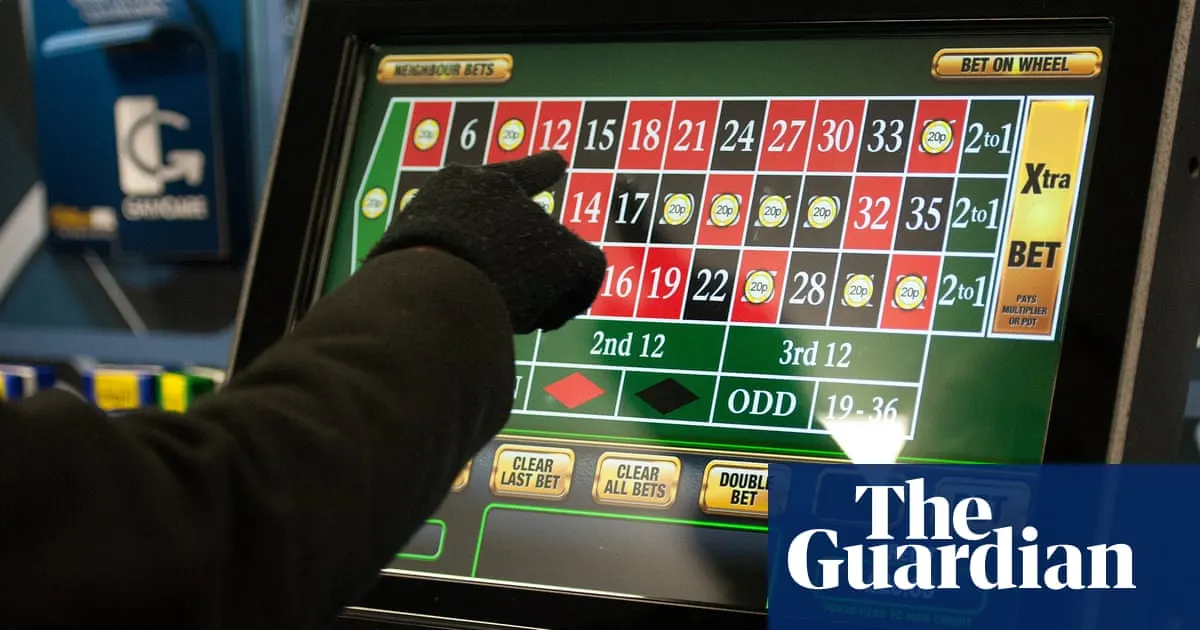
Machine Games Duty is a tax on profits from gaming machines, such as fixed-odds betting terminals found in betting shops. The proposed increase has raised concern among bookmakers, who say higher costs could make some shops unviable.
British horse racing also depends on betting shops: they pay for the right to show races and contribute through the Horserace Betting Levy, which supports the sport. That reliance matters as shop numbers have fallen over the past decade, alongside the shift towards online betting.
Gaming machines have also changed what betting shops offer and how they earn money. The debate is therefore about both the possible effect of higher taxes on shops and racing, and the role machines have played in the shops’ decline.
Business Culture Fashion Health Mental Health