Culture news and discussion on TalkFuse.
Books and walking are key to living long lives, say residents in England’s healthiest postcodes…while drugs, cheap alcohol and fast food are blamed in the town with the lowest life expectancy
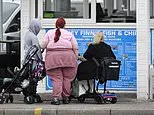
Residents in some of England's healthiest postcodes have credited habits such as reading and regular walking with helping them live longer, according to a report examining stark regional disparities in life expectancy across the country. By contrast, people in the town identified as having the lowest life expectancy in England pointed to drug use, cheap alcohol and fast food as key factors dragging down local health outcomes.
The findings highlight the widening gap in how long people live depending on where in England they are based, with lifestyle and environmental factors repeatedly cited as decisive influences. While the healthiest areas point to simple, low-cost habits like walking and reading as protective factors, the town with the poorest outcomes describes a very different daily reality shaped by substance misuse and access to cheap, unhealthy food and drink.
In short
- Healthiest postcodes credit walking and reading for longevity.
- Lowest life expectancy town blames drugs, cheap alcohol, fast food.
- Report underscores England's stark regional health inequality gap.
Explained simply
Life expectancy – the average age people can expect to live to – varies significantly across different parts of England. Some regions have considerably higher life expectancy than others, creating stark disparities that reflect broader inequalities in health across the country.
These regional differences in life expectancy matter because they reveal how much impact a person's location can have on their health outcomes and longevity. The disparities are shaped by a complex mix of lifestyle factors and environmental conditions in different areas.
Researchers and policymakers have become increasingly concerned about understanding what causes these geographical variations in health. Examining residents' experiences and perspectives in different communities can help identify the factors that contribute to these differences in how long people live.
Culture Food Health Medicine UK World