Bootleg ‘The Office’ Videos Show How Chinese AI Is Still Being Used To Plunder Hollywood IP
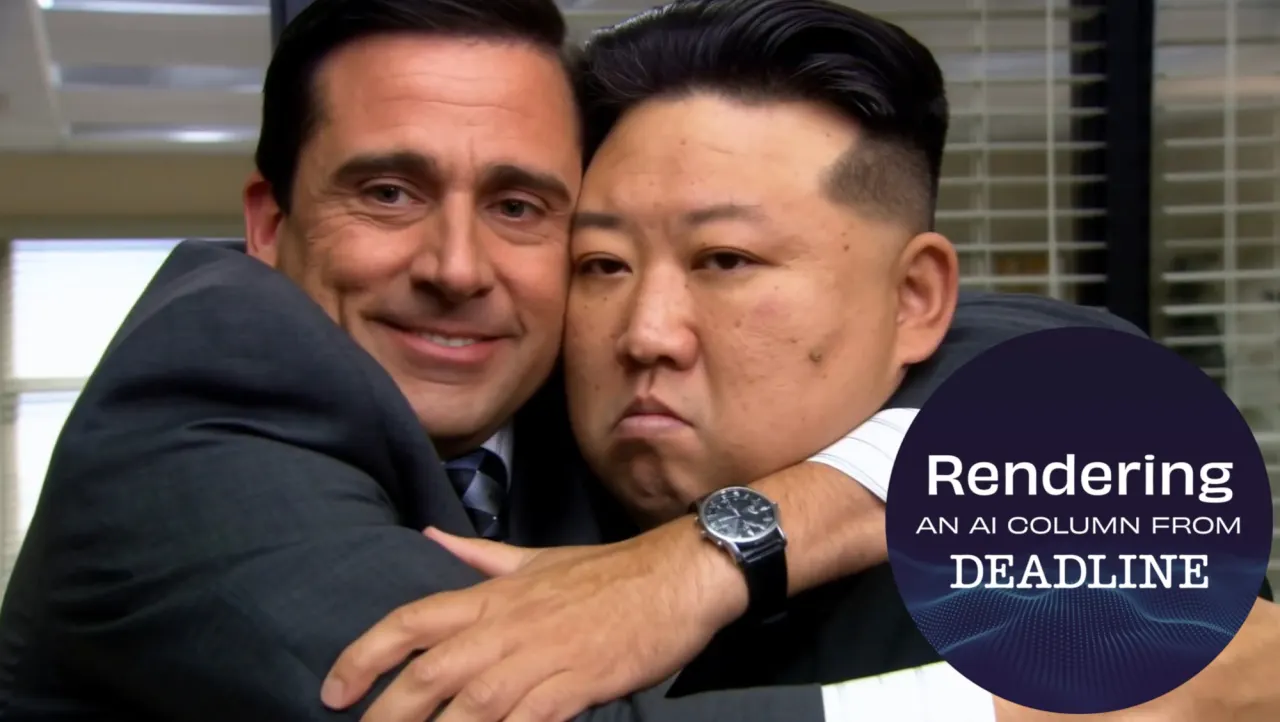
AI-generated clips featuring characters from The Office have highlighted continuing concerns that Chinese video-generation tools can be used to reproduce Hollywood intellectual property without effective safeguards. The example matters because it emerged while MiniMax, the maker of Hailuo 3, is defending a copyright lawsuit brought by major US studios, underscoring the growing legal and commercial conflict around generative video.
Tech investor Justine Moore created a clip of Dwight and Jim through Krea using a simple text prompt, despite Hailuo 3 not being directly available in the US or EU; the prompt was still processed on MiniMax servers. Disney, Universal and Warner Bros. allege MiniMax has copied copyrighted works “on a massive scale”, citing promotional videos involving characters including Deadpool, Wolverine and the Joker; MiniMax denies the claims and reportedly removed those clips from YouTube. Meanwhile, ByteDance’s Seedance 2.5 appears to have prompted fewer similar uses than its predecessor, suggesting stronger controls after previous deepfake controversies.
In short
- The Office clips renew fears over AI copying Hollywood characters.
- MiniMax faces a major studios’ copyright lawsuit.
- ByteDance appears to have tightened safeguards for Seedance.
Steelman: both sides, in good faith
The strongest fair case each way — we don't pick a winner.
The case for
Copyright protections are essential to funding creative industries. The demonstrated ability of AI platforms to generate unauthorized reproductions of copyrighted characters at scale, despite effective technical solutions being available, directly threatens this system and represents systematic devaluation of intellectual property. Studios invest billions to maintain exclusive control over their characters and narratives; when offshore platforms enable wholesale reproduction through inadequate safeguards, they undermine the economic foundation of content creation. Strong technical controls and meaningful liability standards are necessary to make copyright functional in the AI era.
The case against
Regulating AI companies for how users deploy general-purpose tools risks suppressing beneficial innovation and setting problematic precedents for technology development. Users who create infringing content bear direct responsibility for infringement; holding platforms liable instead inverts appropriate legal accountability and echoes failed approaches from earlier technology eras. Copyright's intersection with AI remains legally unsettled—encompassing complex questions about fair use, commentary, and transformation—and enforcement should work toward legal clarity rather than presupposing particular outcomes. Additionally, consistent international enforcement should apply equally to Western and Chinese companies, avoiding outcomes that serve protectionist rather than principled objectives.
Explained simply
The Office is a US television comedy whose characters and episodes are protected by copyright, giving its owners control over how they are copied and used. Generative video tools can create clips from written prompts, raising questions about whether they may reproduce recognisable characters or other protected material without permission.
MiniMax, a Chinese technology company, makes the Hailuo video-generation tool. Disney, Universal and Warner Bros. have sued the company, alleging large-scale copying of their work; MiniMax disputes the claims. The dispute matters to film studios and AI companies because courts may help define how copyright applies when these tools are trained or prompted to make video.
AI Art Culture Entertainment Film Geopolitics Politics Technology